
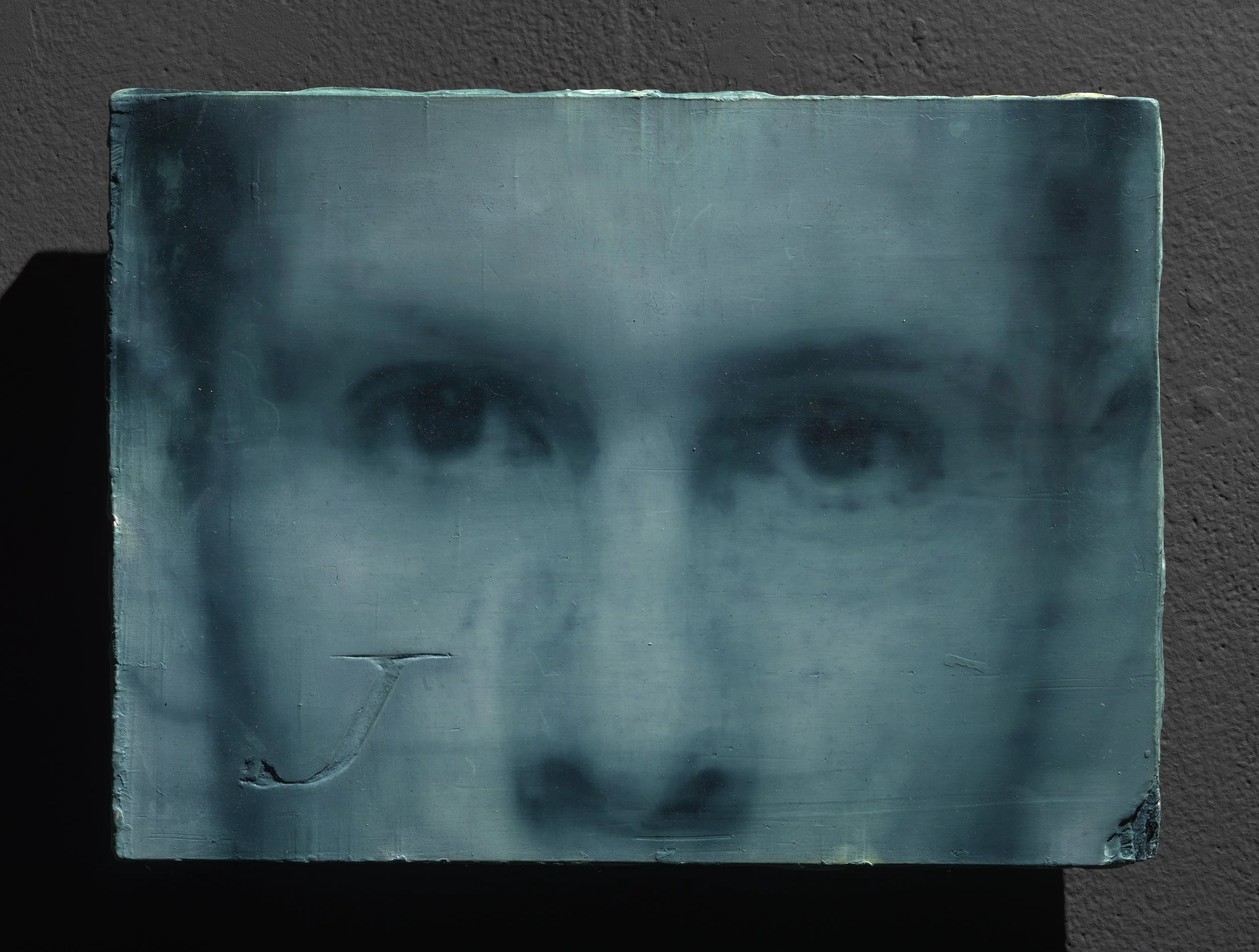
5YOP, 2024
Oil on wood board
18 x 16 cm
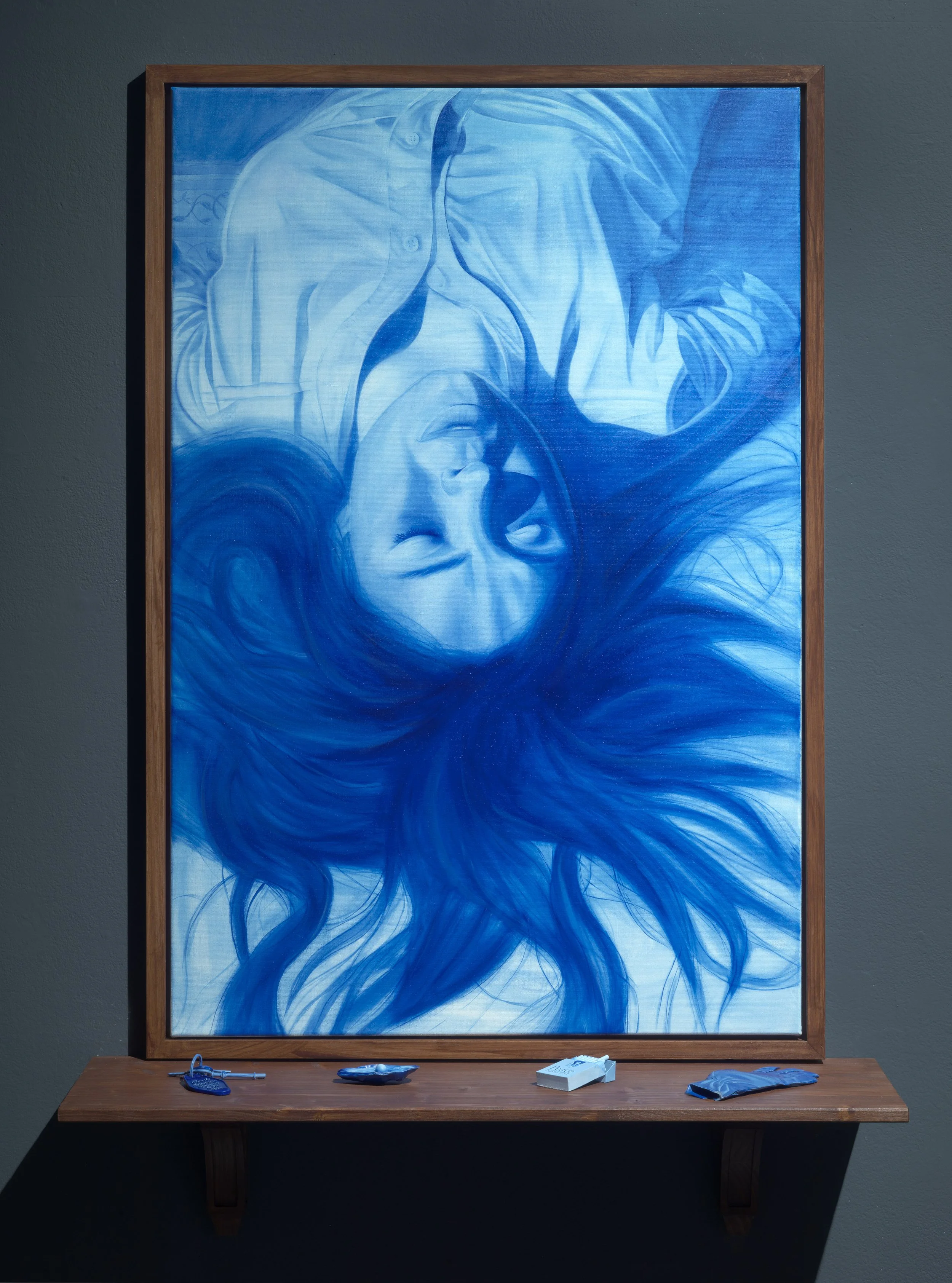
When the absence is as voluptuous as the excess, 2024
Acrylic, resin, wood
100 x 140 x 30 cm
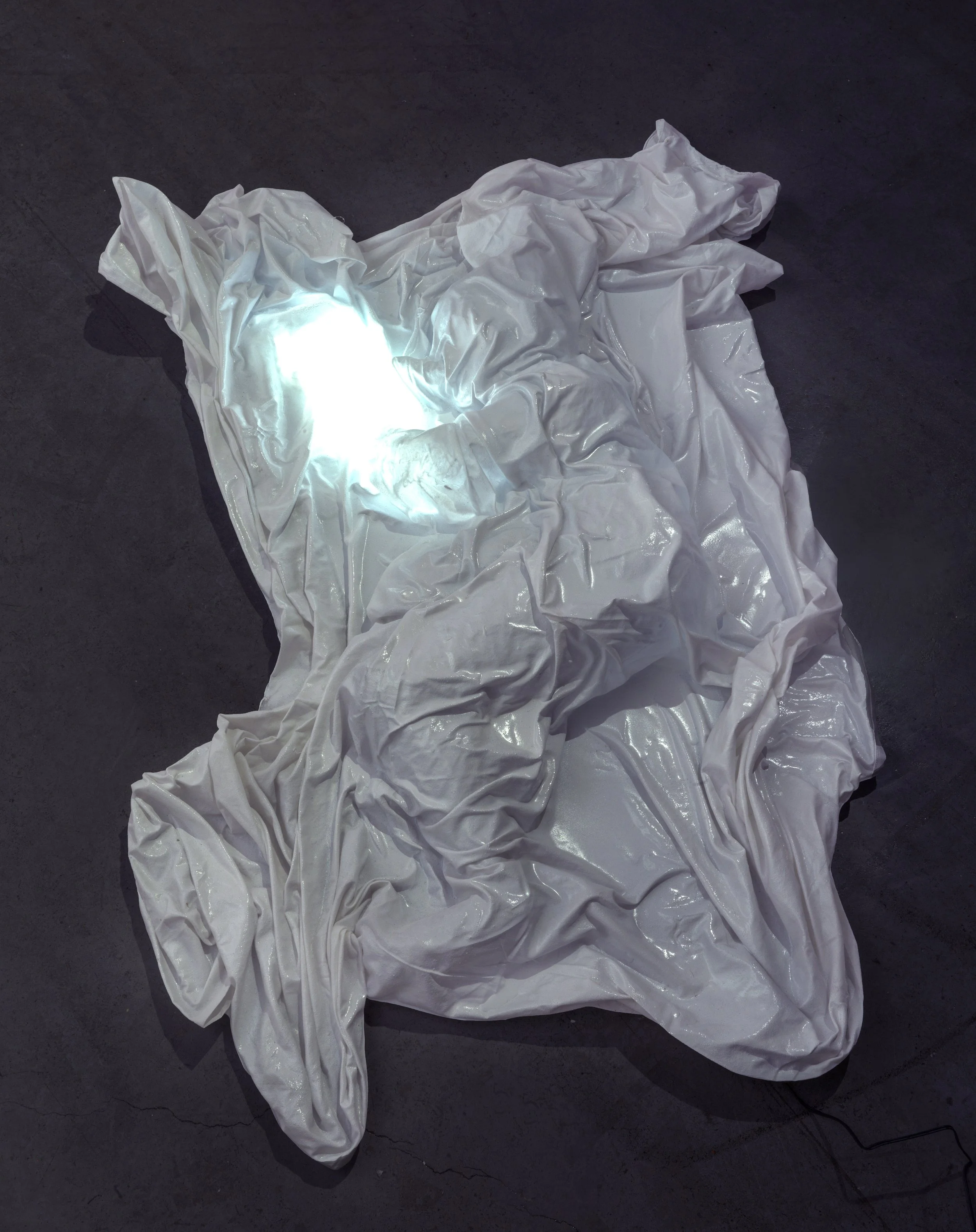
When you wish upon a start, 2024
Linen, resin & animated LED
100 x 60 x 20 cm
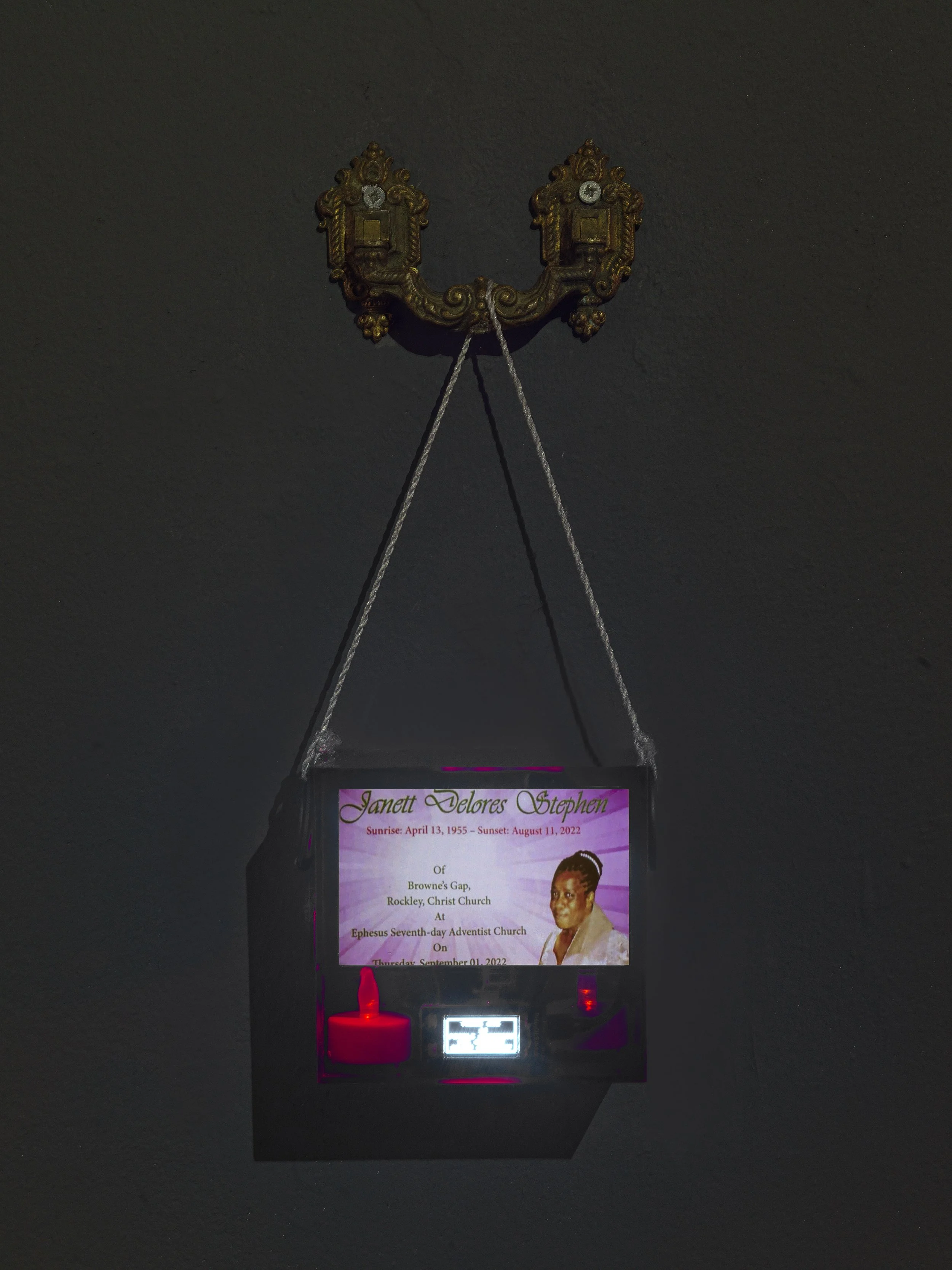
Votive Watching, 2022
Physical Video (Livestream)
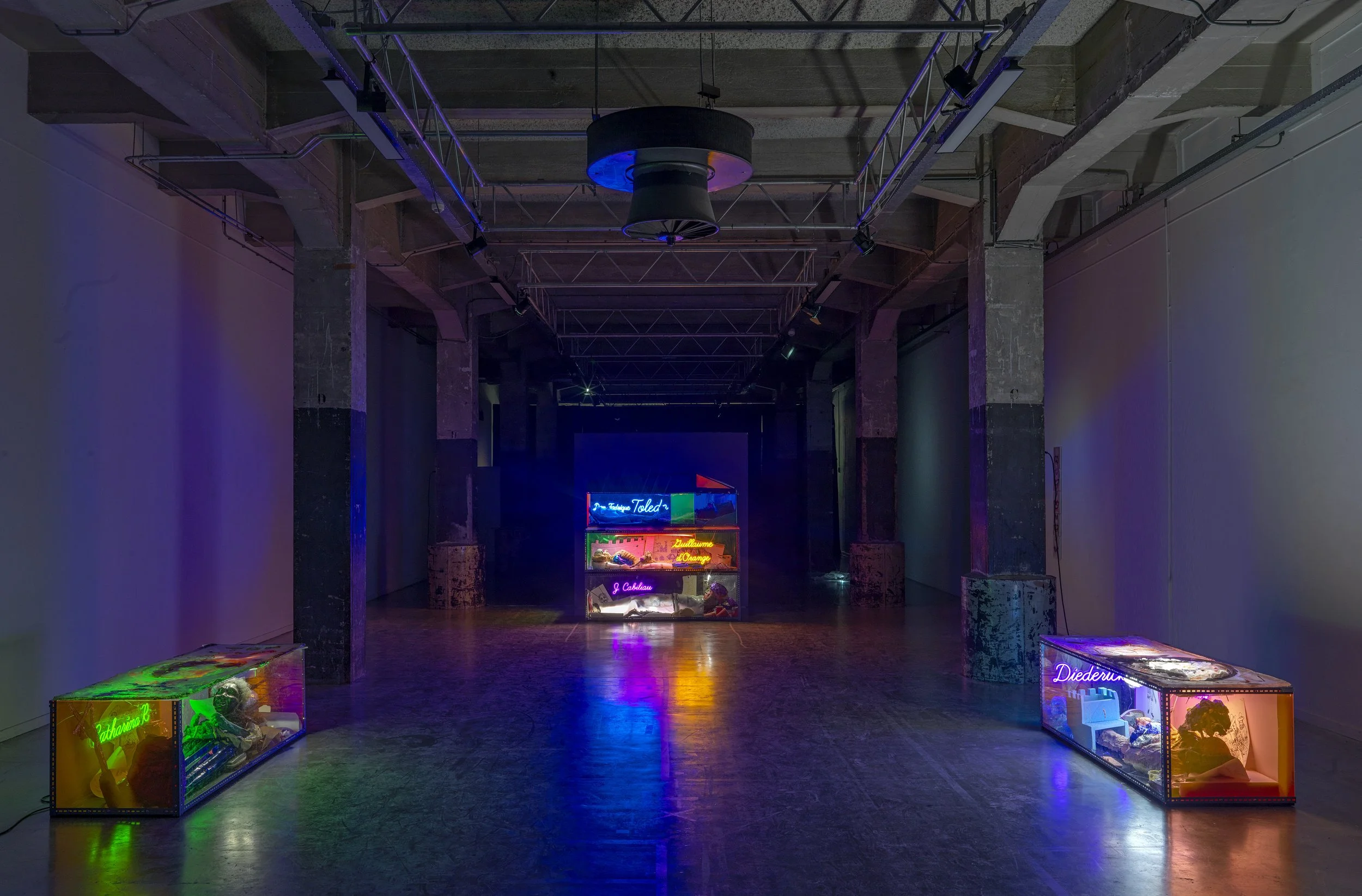
Ancestor 1 (Guillaume), 2023
Ancestor 2 (Cabiliau), 2023
Ancestor 3 (Rembrandts), 2023
Ancestor 4 (Don F), 2023
Ancestor 5 (Diederick), 2023
Acrylglas box
200 x 60 x 60 cm
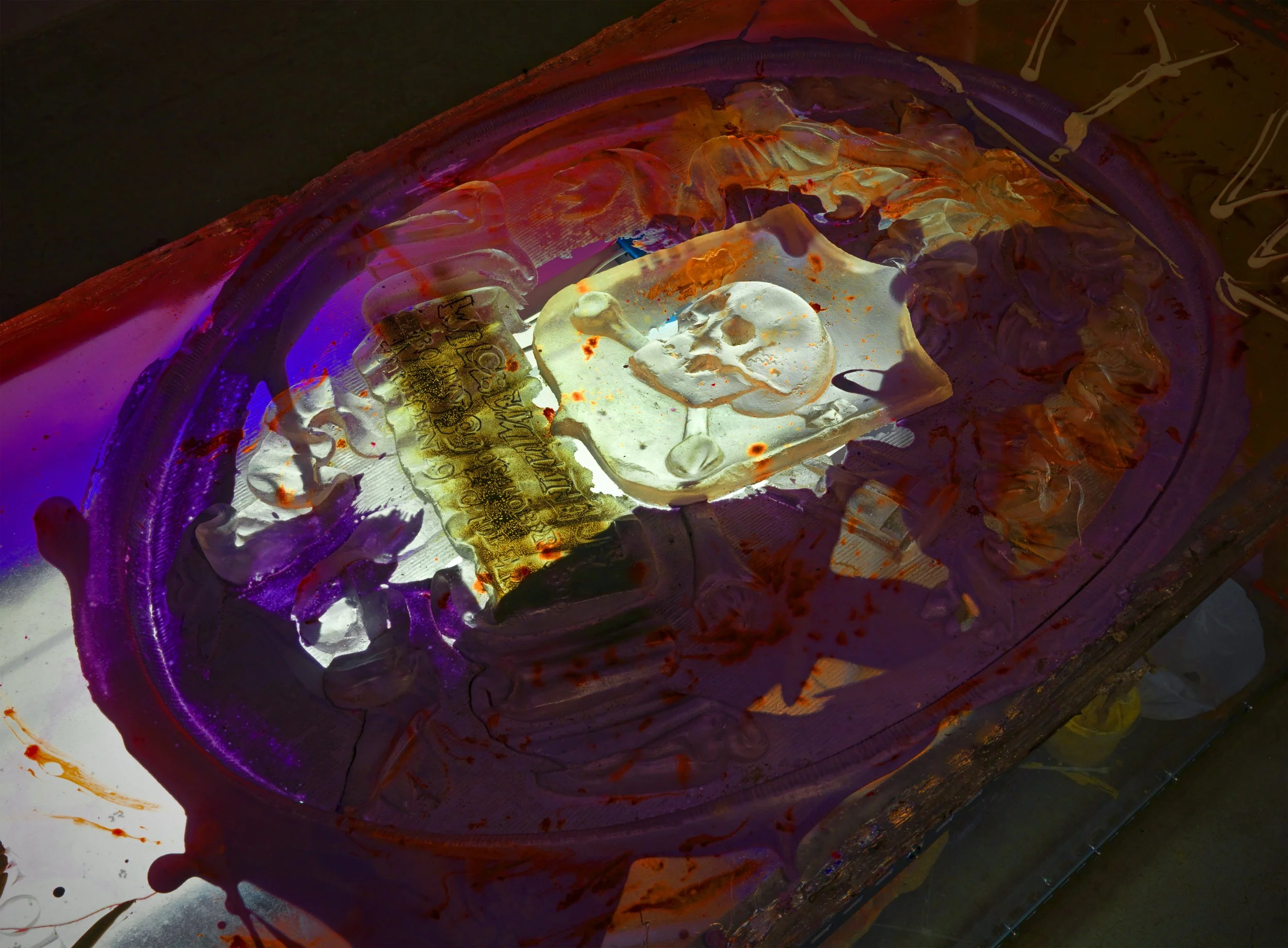
Ancestor 1 (Guillaume), 2023
Ancestor 2 (Cabiliau), 2023
Ancestor 3 (Rembrandts), 2023
Ancestor 4 (Don F), 2023
Ancestor 5 (Diederick), 2023
Acrylglas box
200 x 60 x 60 cm
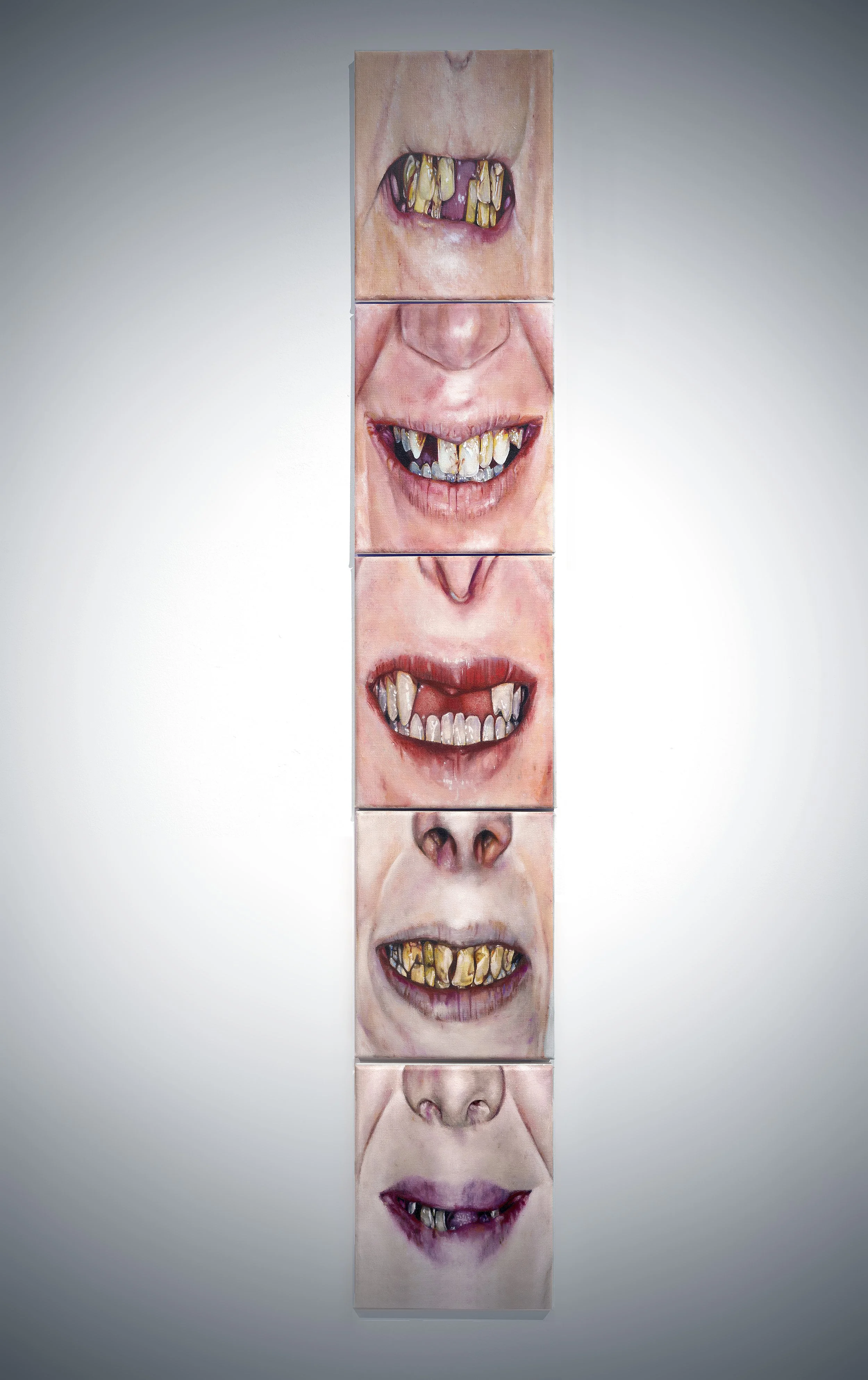
Mouth 1, 2022
Mouth 3, 2023
Mouth 6, 2024
Mouth 7, 2024
Mouth 8, 2024
Oil on Linen
25.5 x 20.5 cm
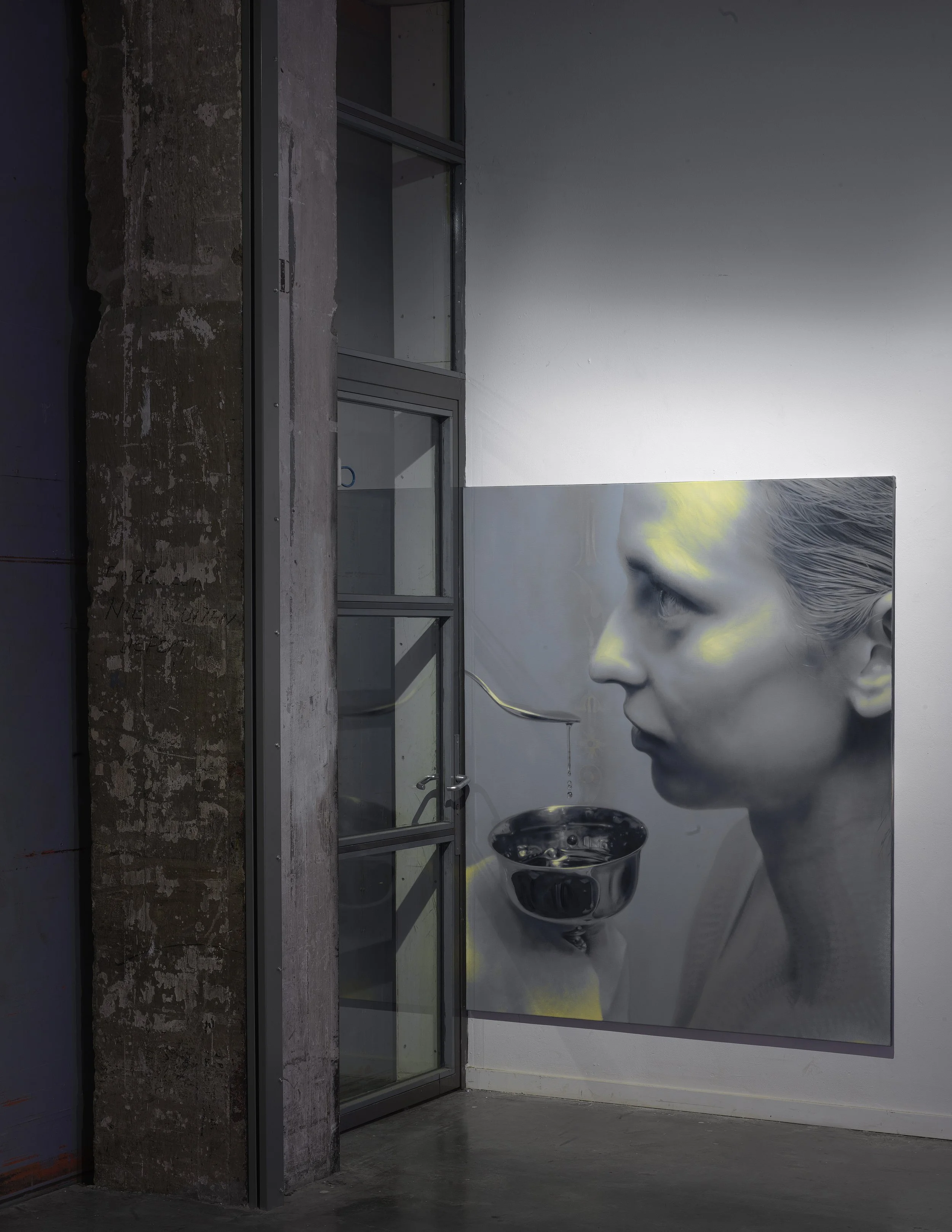
Warm Blooded Organism, 2024
Oil on canvas
175 x 145 cm
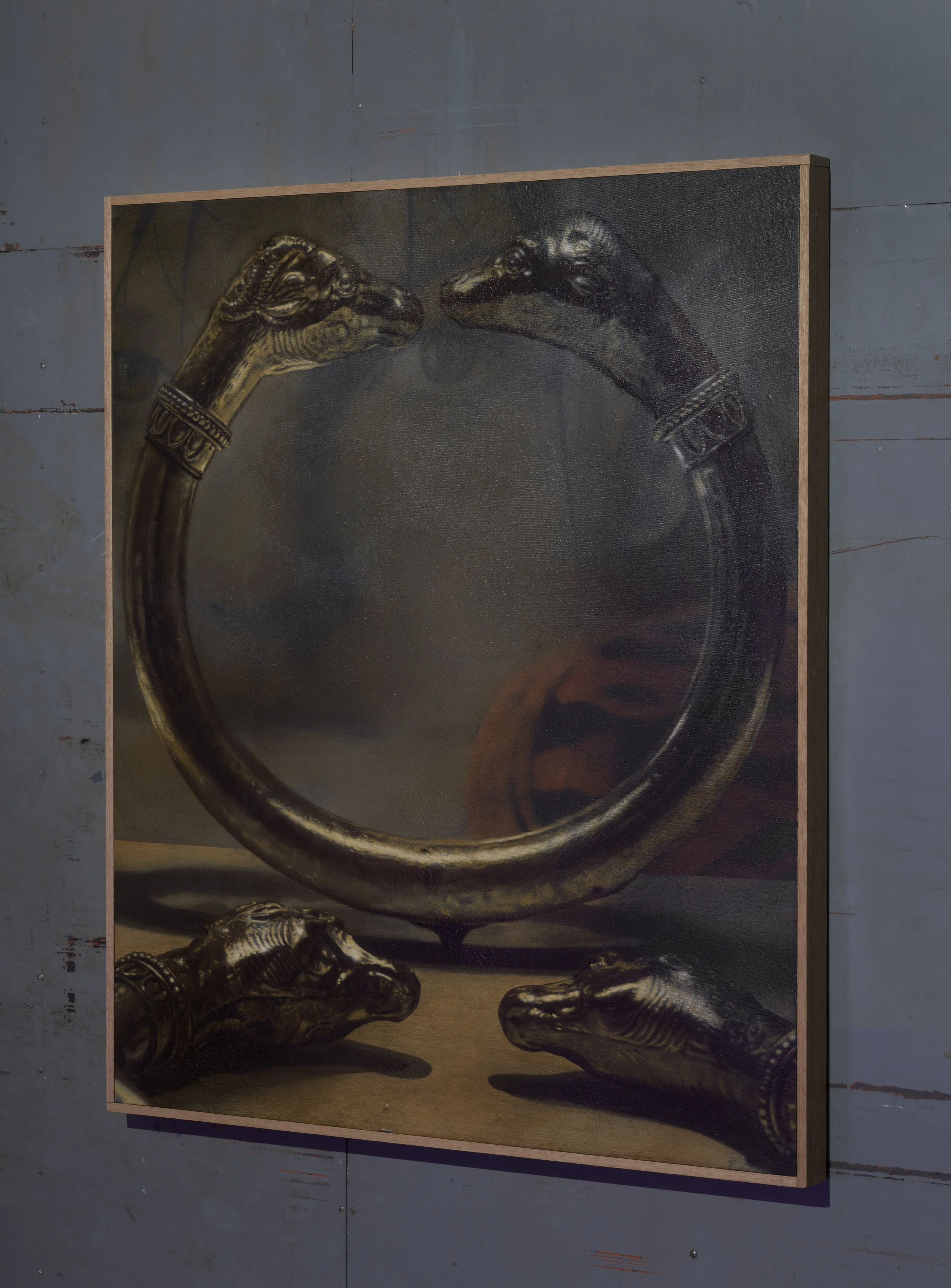
Museum Visit, 2023
Oil on canvas
120 x 100 cm
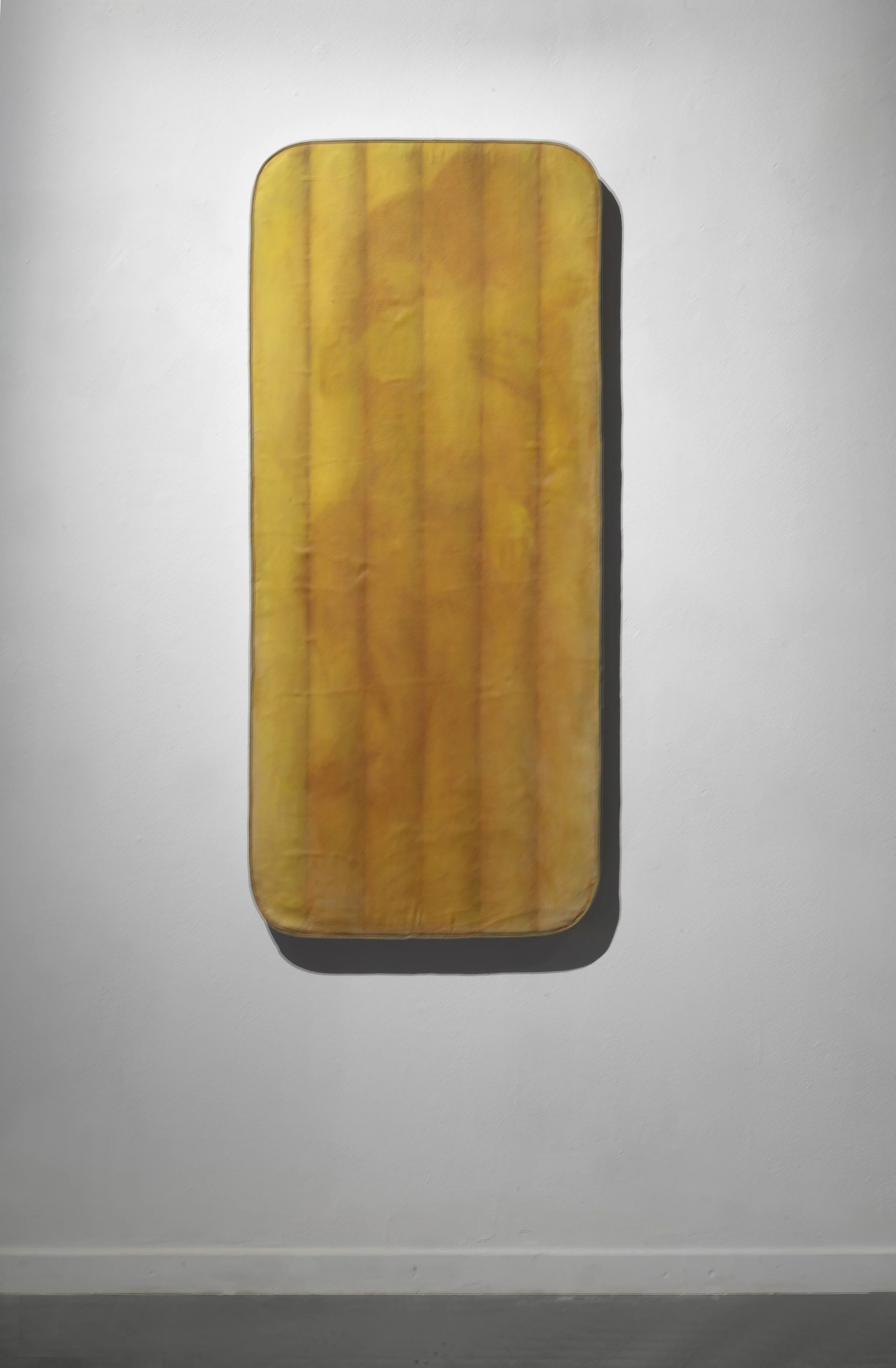
You are everything and everything is you, 2024
Oil on tailored linen, foam
100 x 140 x 30 cm
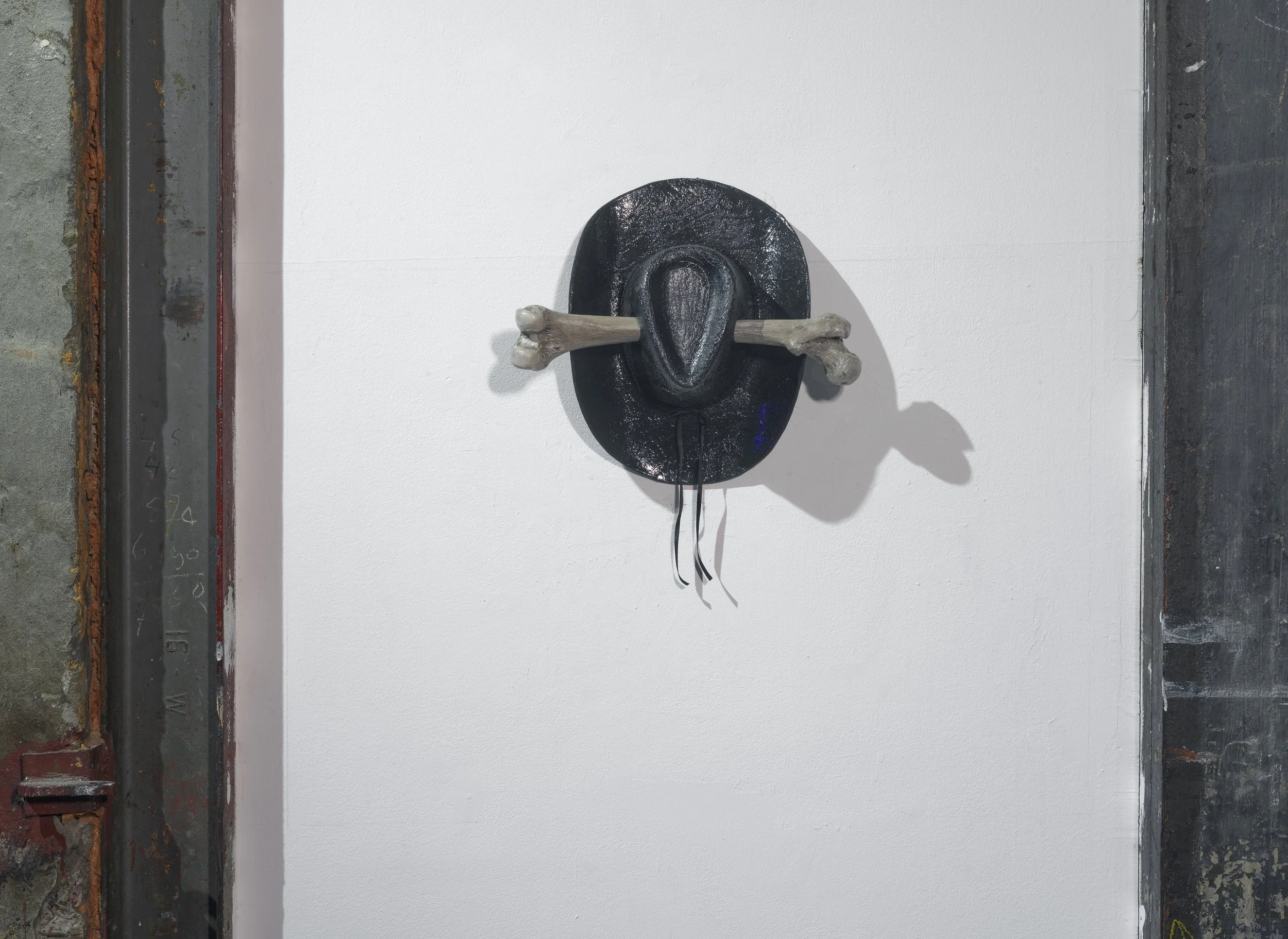
The Best Of Me (Muerte y Mantia), 2024
Painted polyurethane, rubber, acrylic, ribbon, laces, wood
40 x 45 x 18 cm
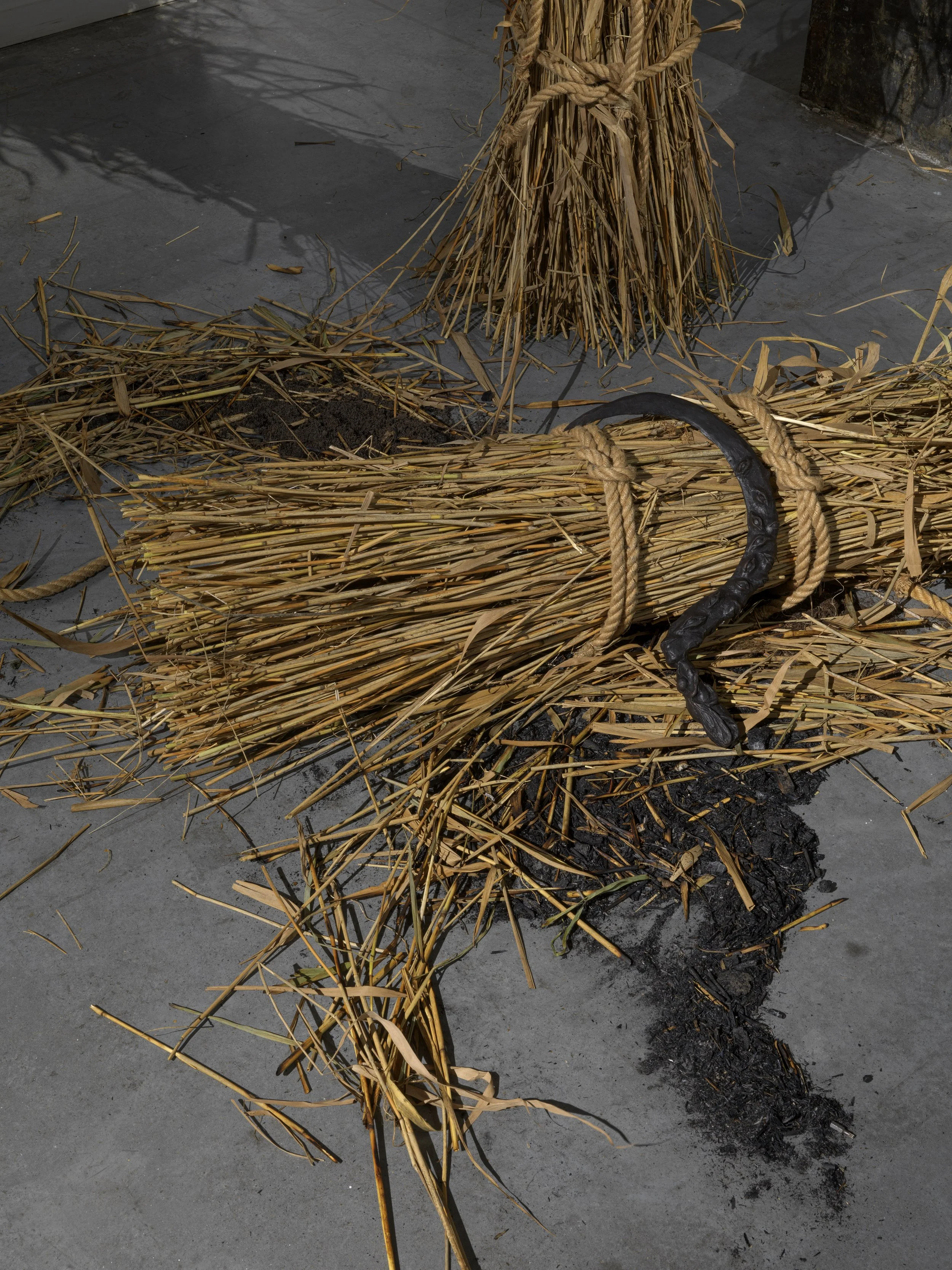
Sickle of Envy, 2024
Bronze, black patinated
45 x 27 x 5 cm
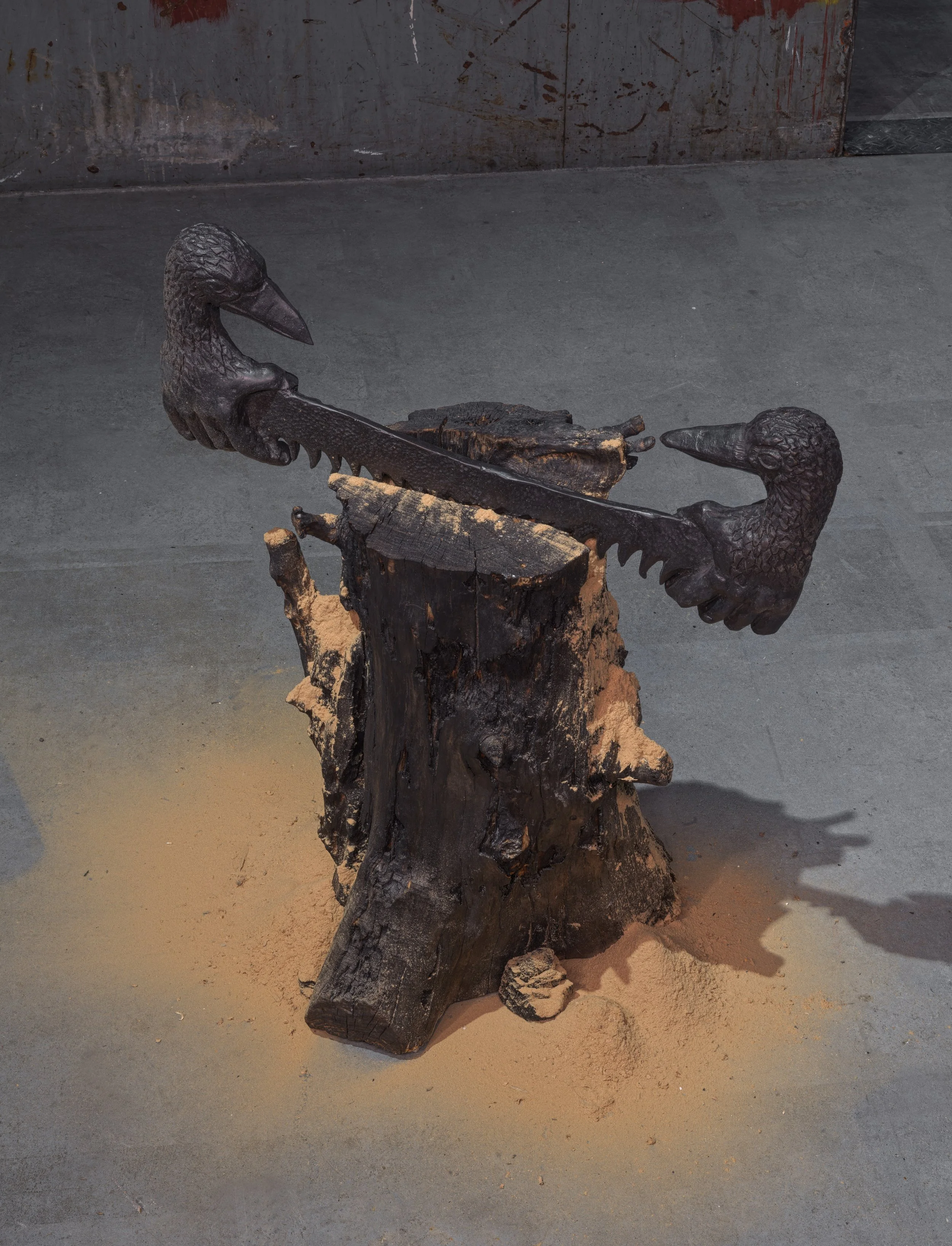
Saw of Lust, 2024
Bronze, black patinated
60 x 22 x 7 cm
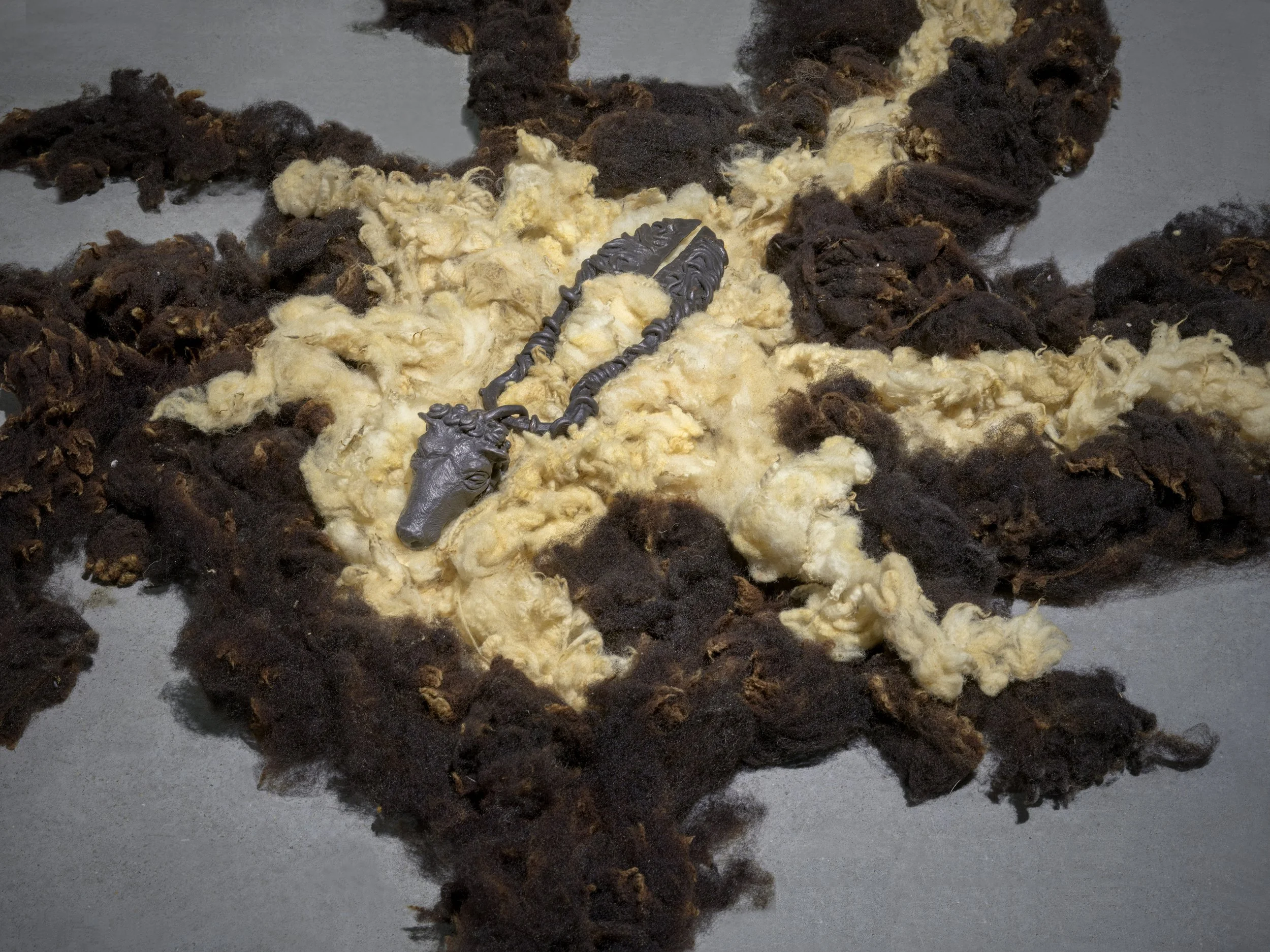
Sheers of Gluttony, 2024
Bronze, black patinated
38 x 12 x 5 cm
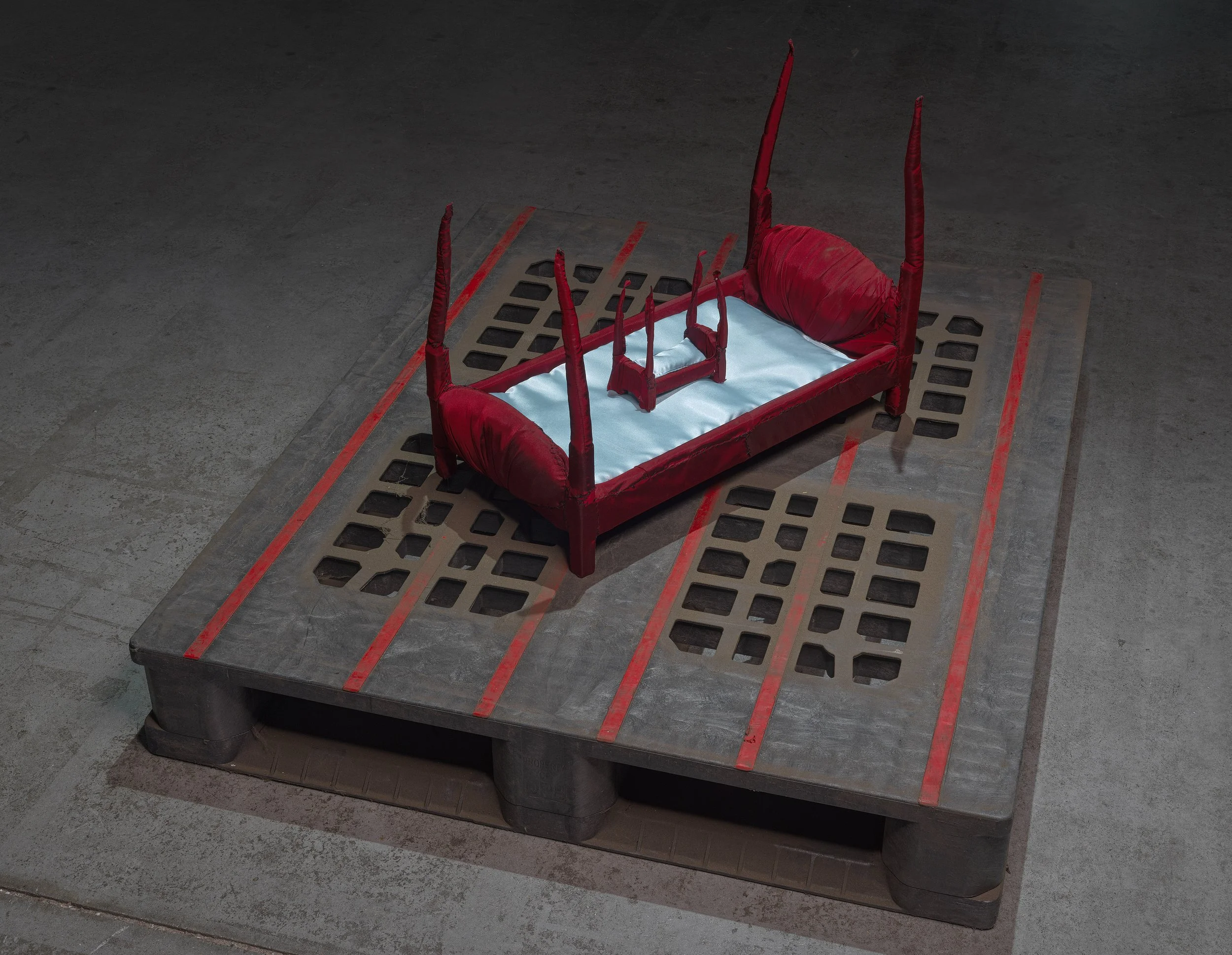
Lucid, 2024
Wood, mixed fabrics, hollow fibre stuffing, thread
30 x 57 x 49 cm
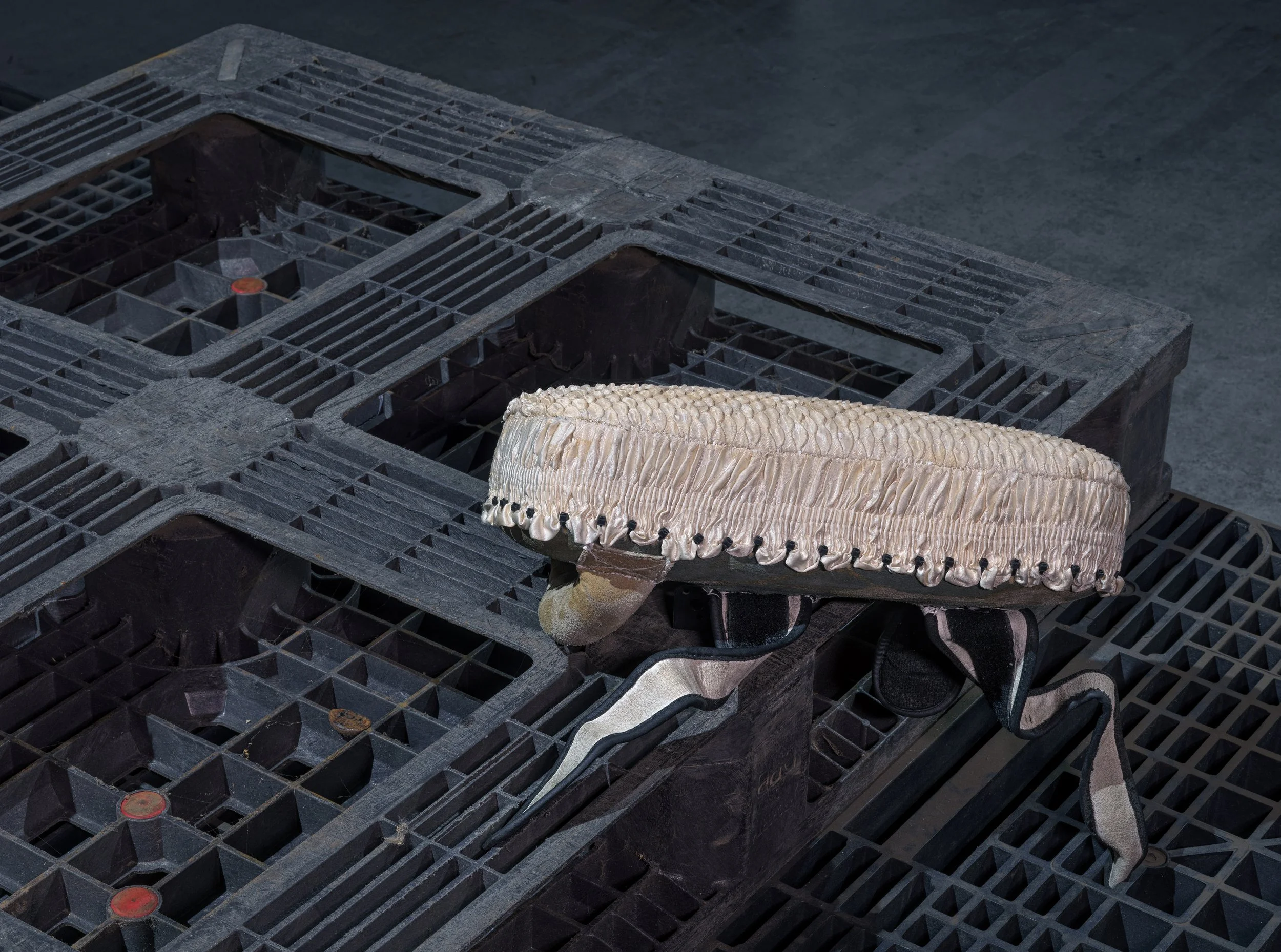
AHA - ERLEBNIS III, 2018
Handcrafted punching pad made of found coffin fabrics, bleached leather, tie wraps, and dental floss
40 x 30 x 15 cm
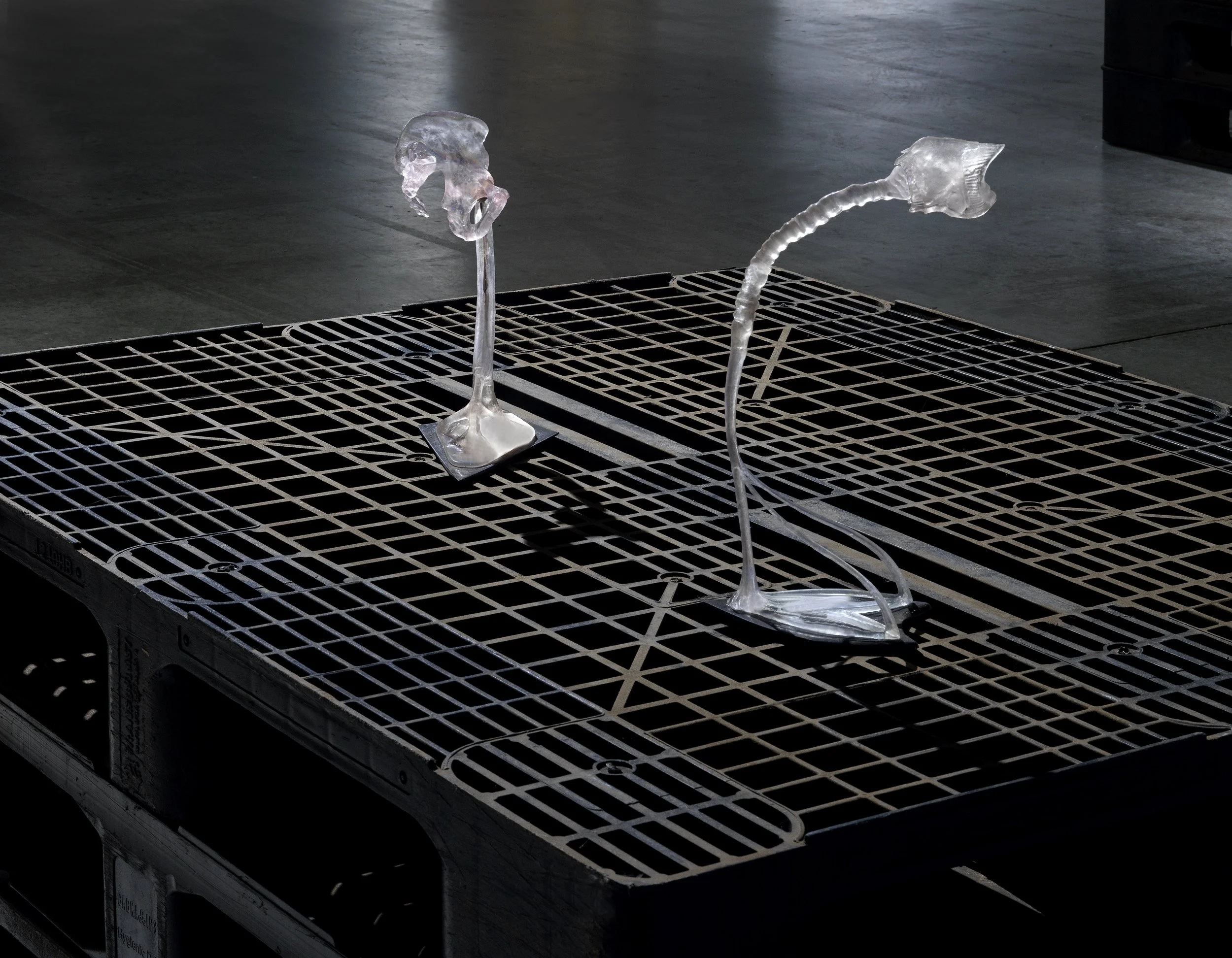
Rivotril Flowers Fall I (Gag Reflex), 2024
Stereolithography print, calcium and argon in a glass ampule, steel 3D print
35 x 15 x 10 cm (edition of 3)
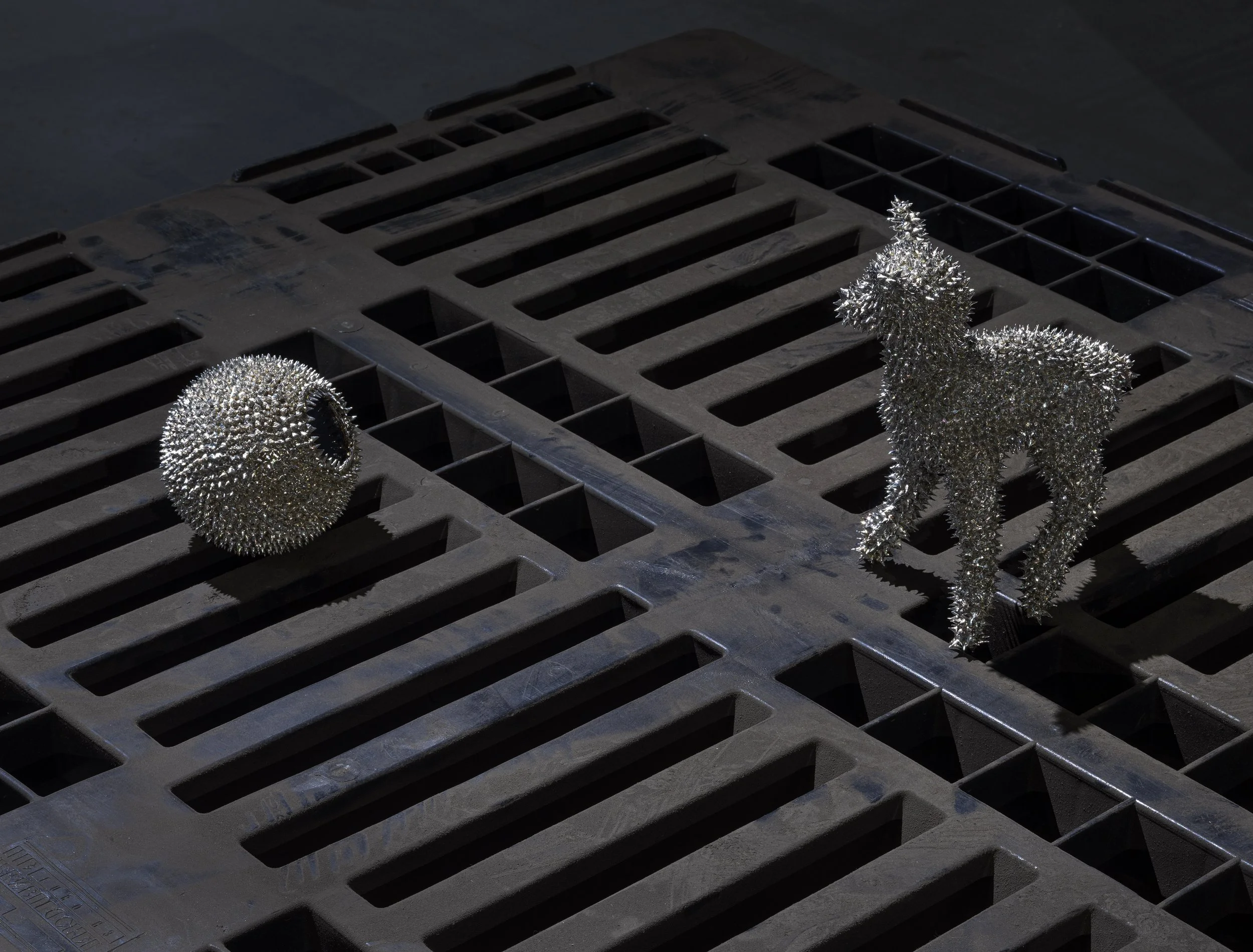
Ask Again, 2024
Porcelain, Magic 8 Ball, Solder
11 x 10 cm + 21 x 16 cm
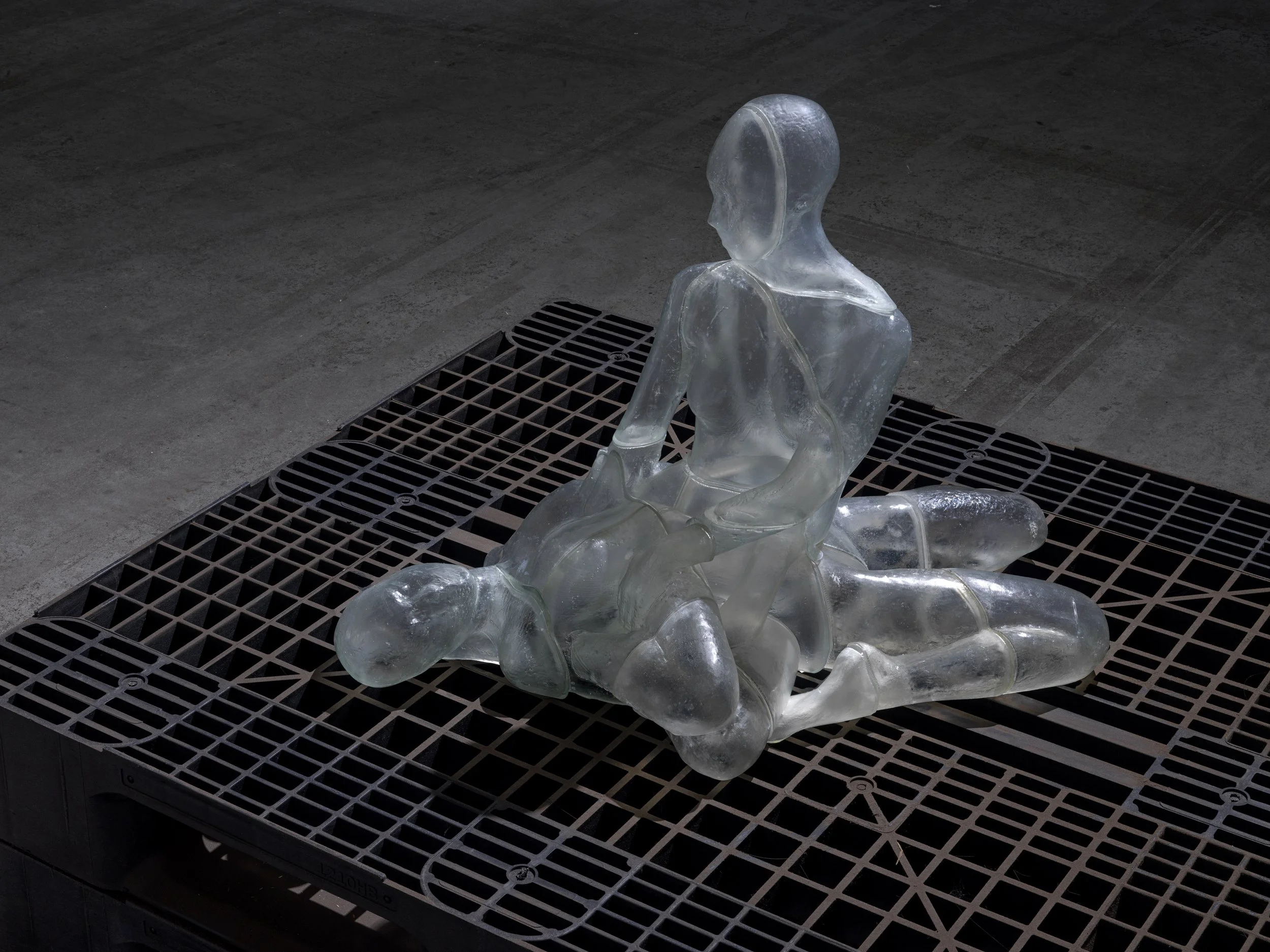
I Hold You Together, 2021
Resin, Blue and Yellow Ink
75 x 50 x 60 cm
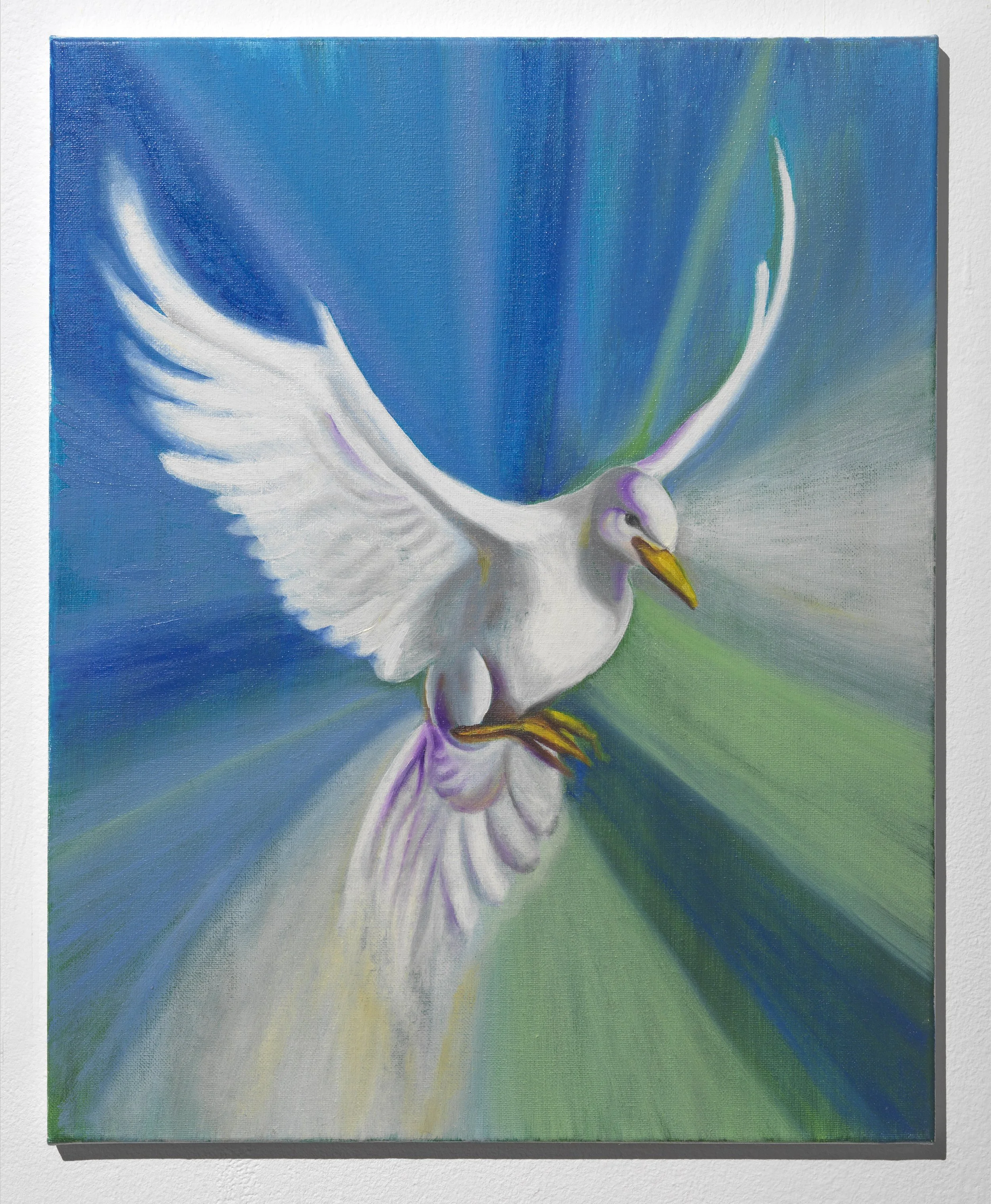
Release Dove, 2020
Oil on canvas
50 x 40 cm
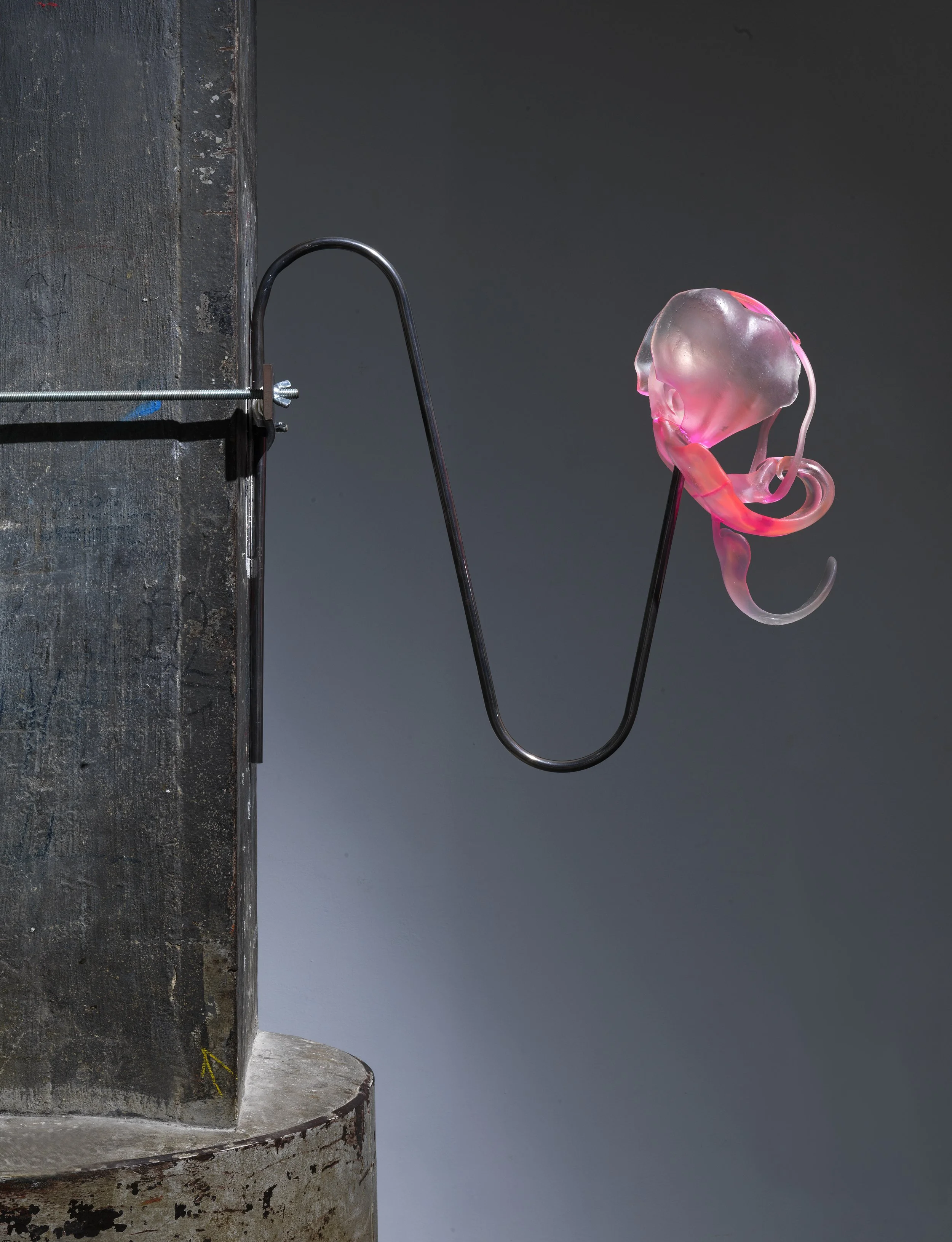
Honey, 2024
Resin
27 x 37 x 28 cm
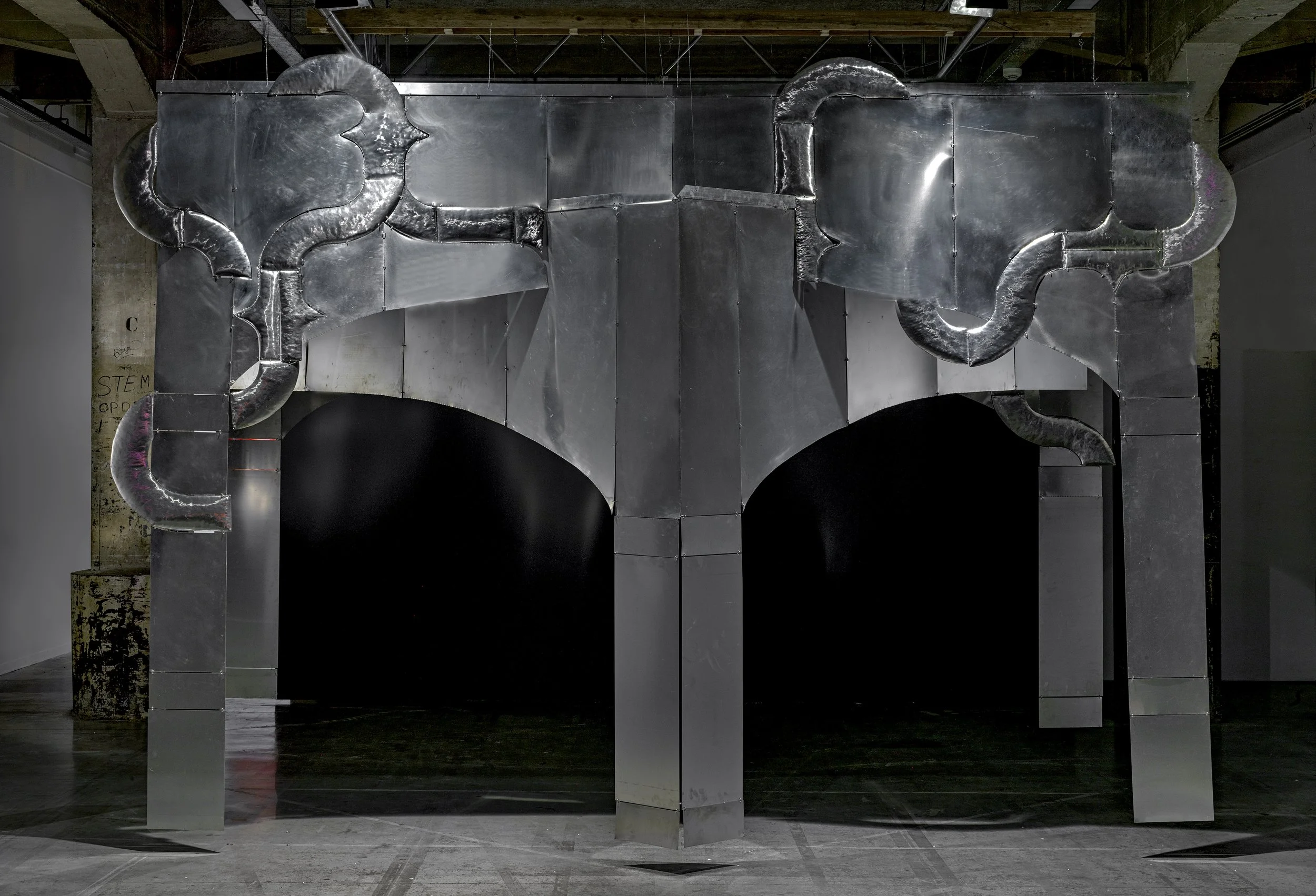
TEMENOS, 2024
Aluminium
420 x 360 x 200 cm
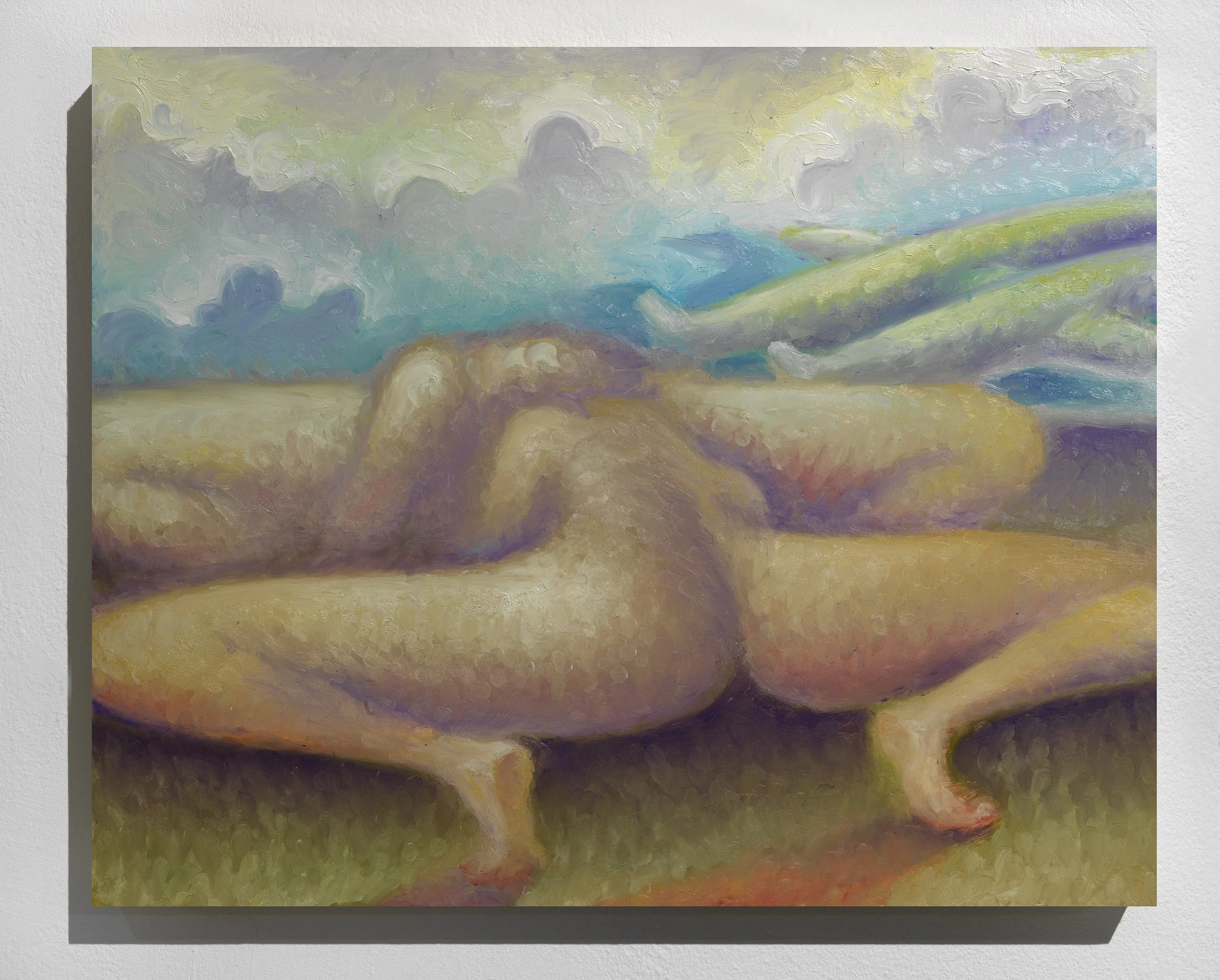
Study for a Pair of White Lines, 2024
Oil on Wood Panel
40 x 50 cm
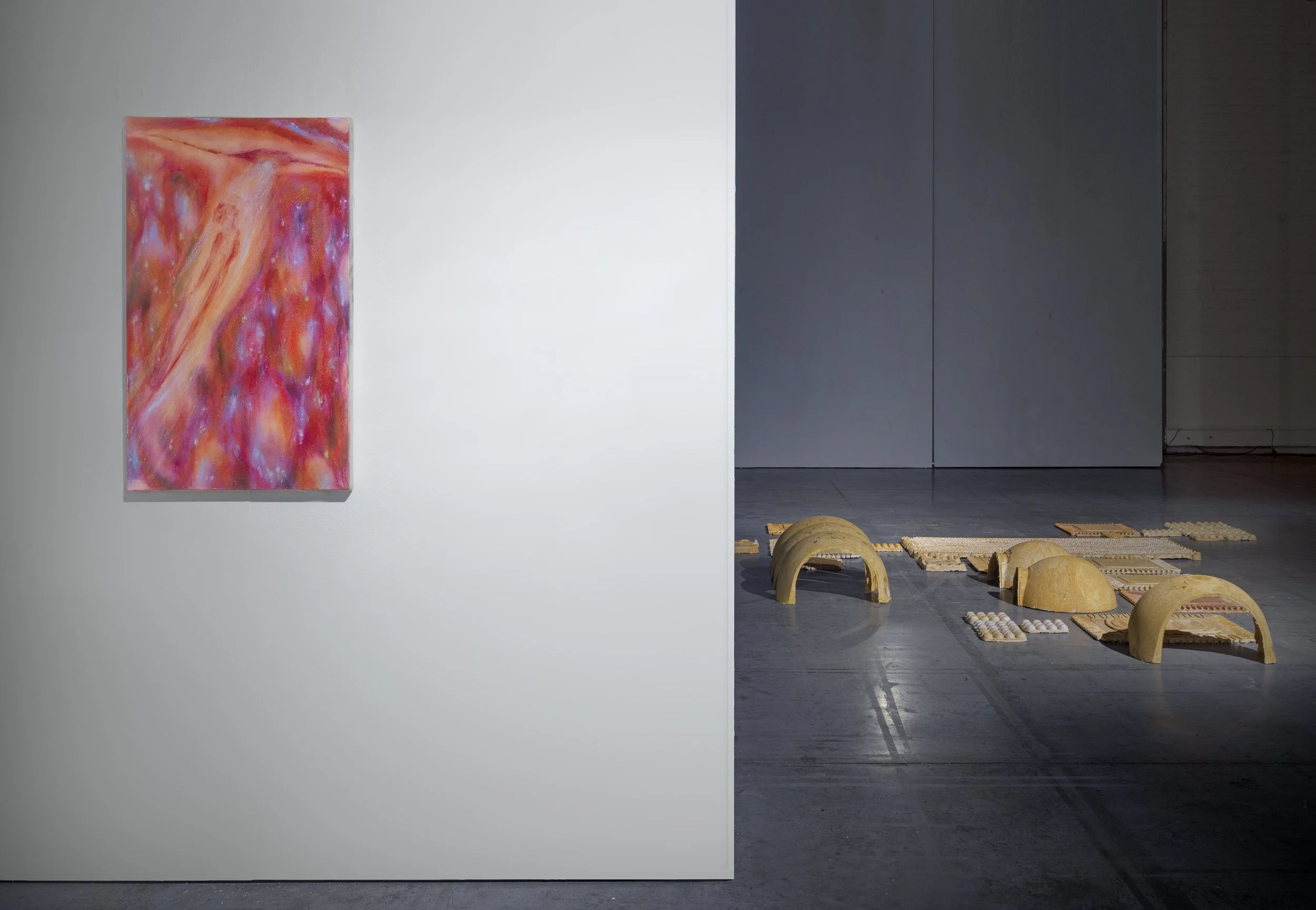
The Wind Stood Still Silently, 2023
Oil on canvas
55 x 95 cm
Simon Chovan
Hedgehog’s Dilemma, 2024
Jesmonite, foraged iron oxide, burlap, glass fibre
Variable dimensions
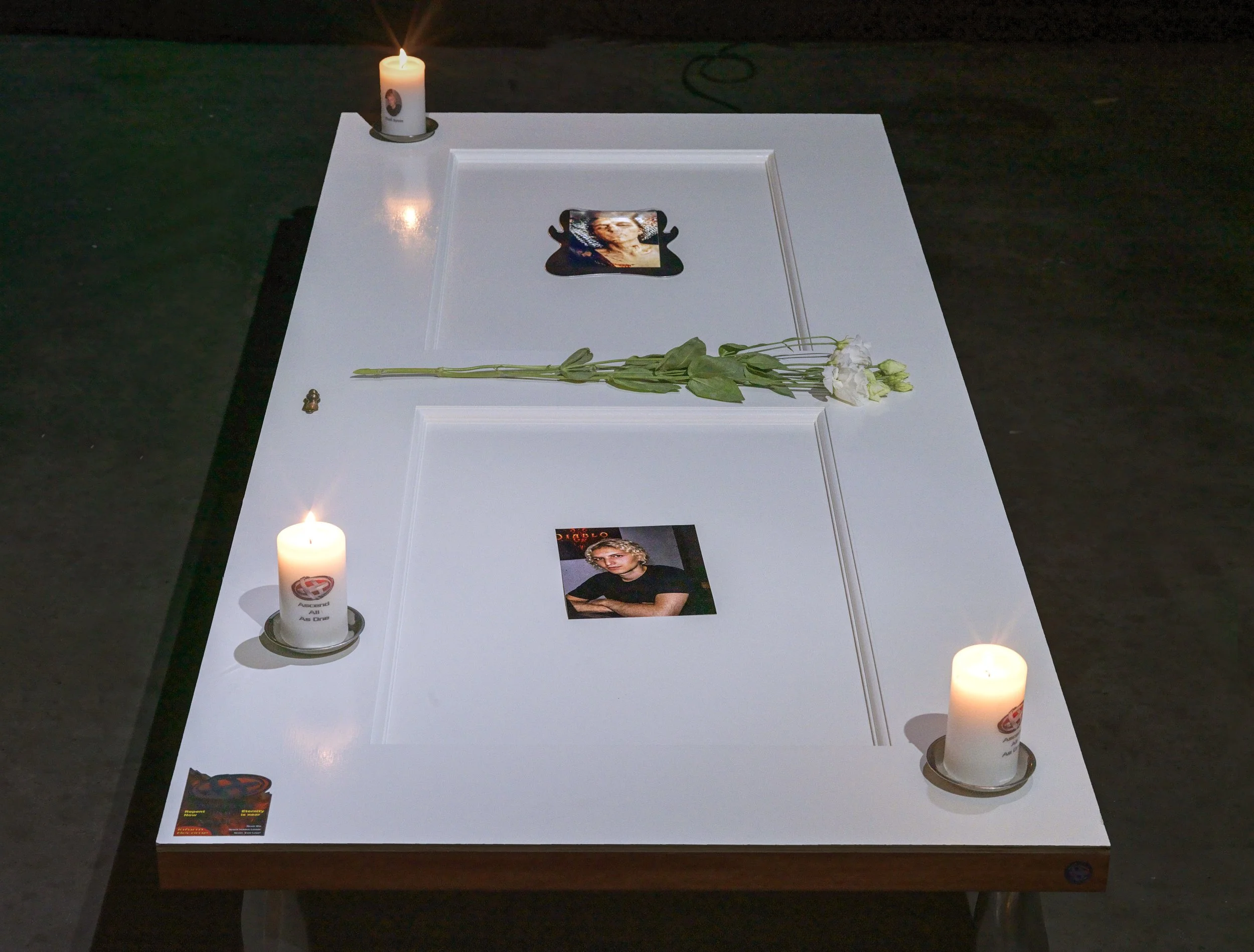
Beneath the Markers, 2024
Various materials, video
200 x 89 x 40 cm
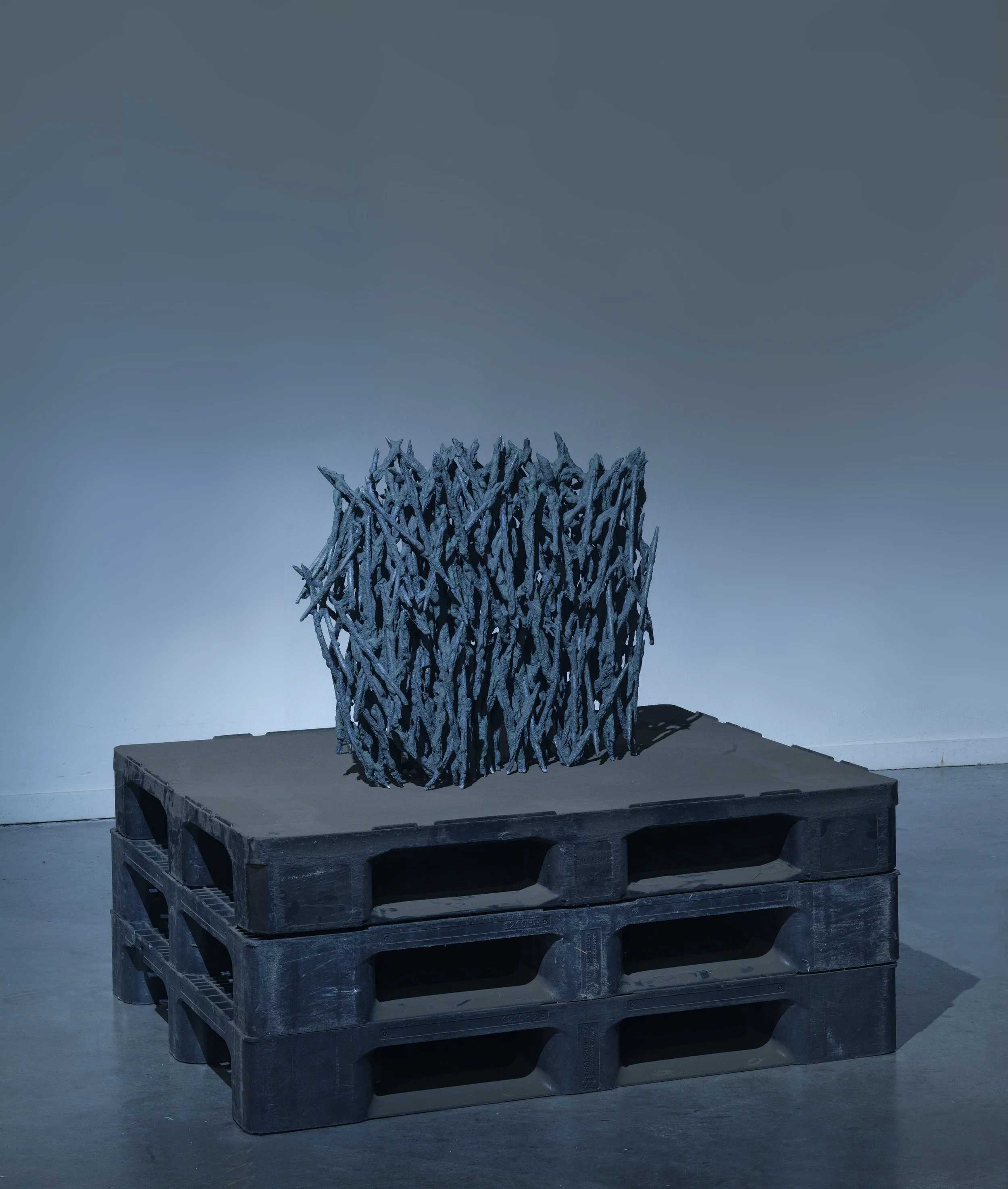
Coexistence, 2024
Fired clay, crater glaze, pigments
30 x 67 x 71 cm
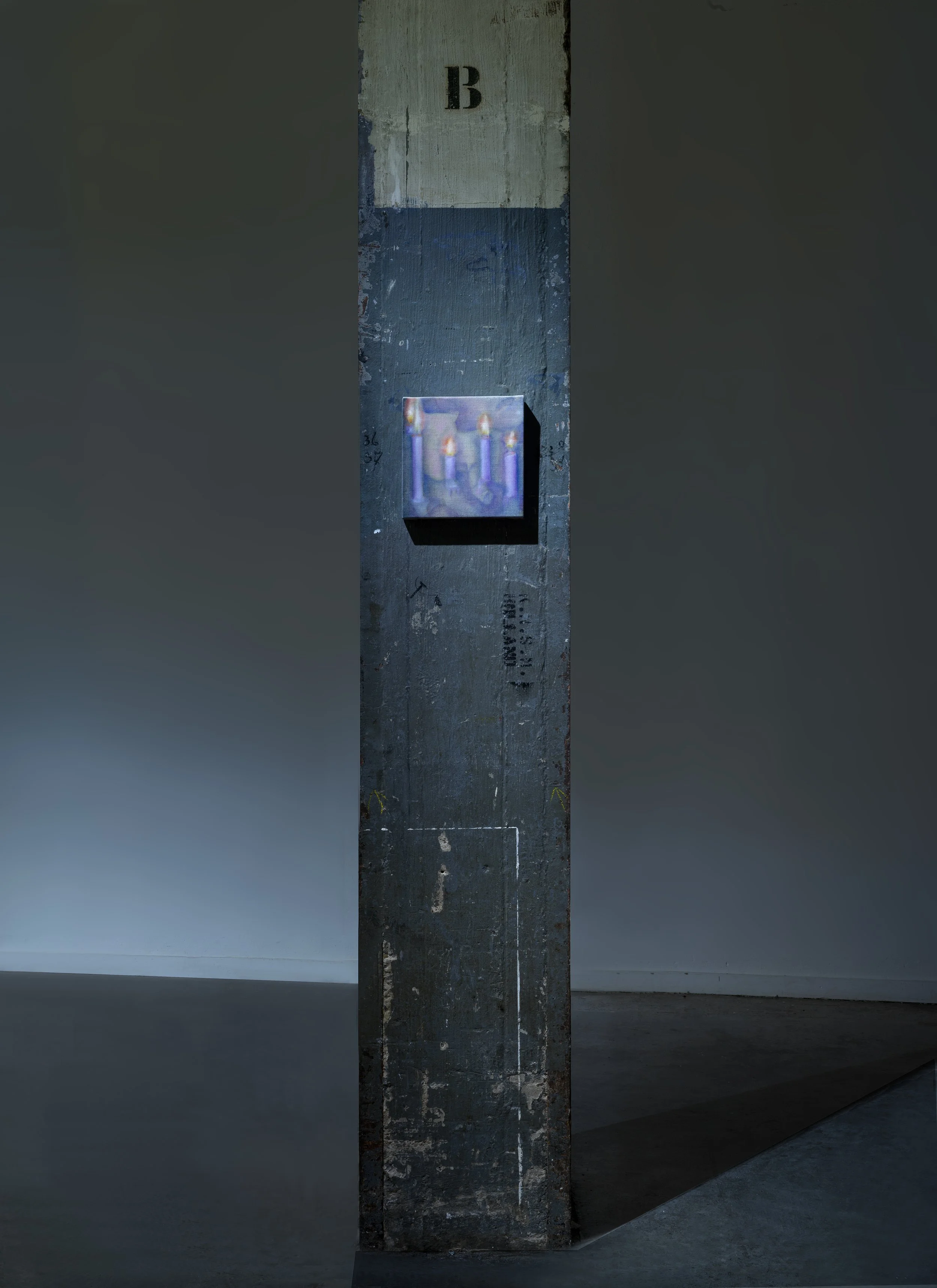
Omen, 2024
Oil On Linen
25 x 25 cm
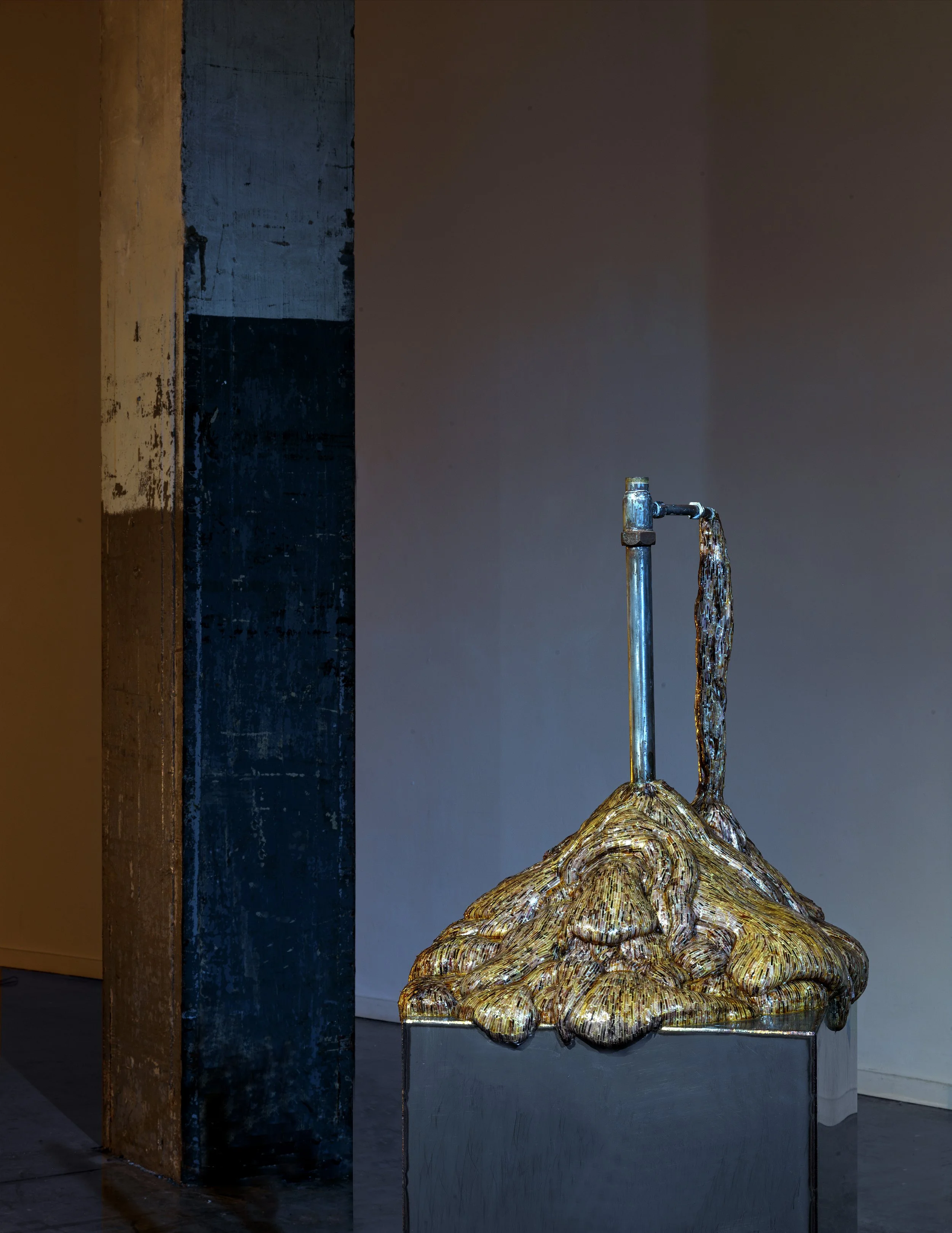
The Impossibility of Nihilism, 2021
Steel, polyurethane, PVC, water-decal print, lacquer
80 x 52 x 170 cm
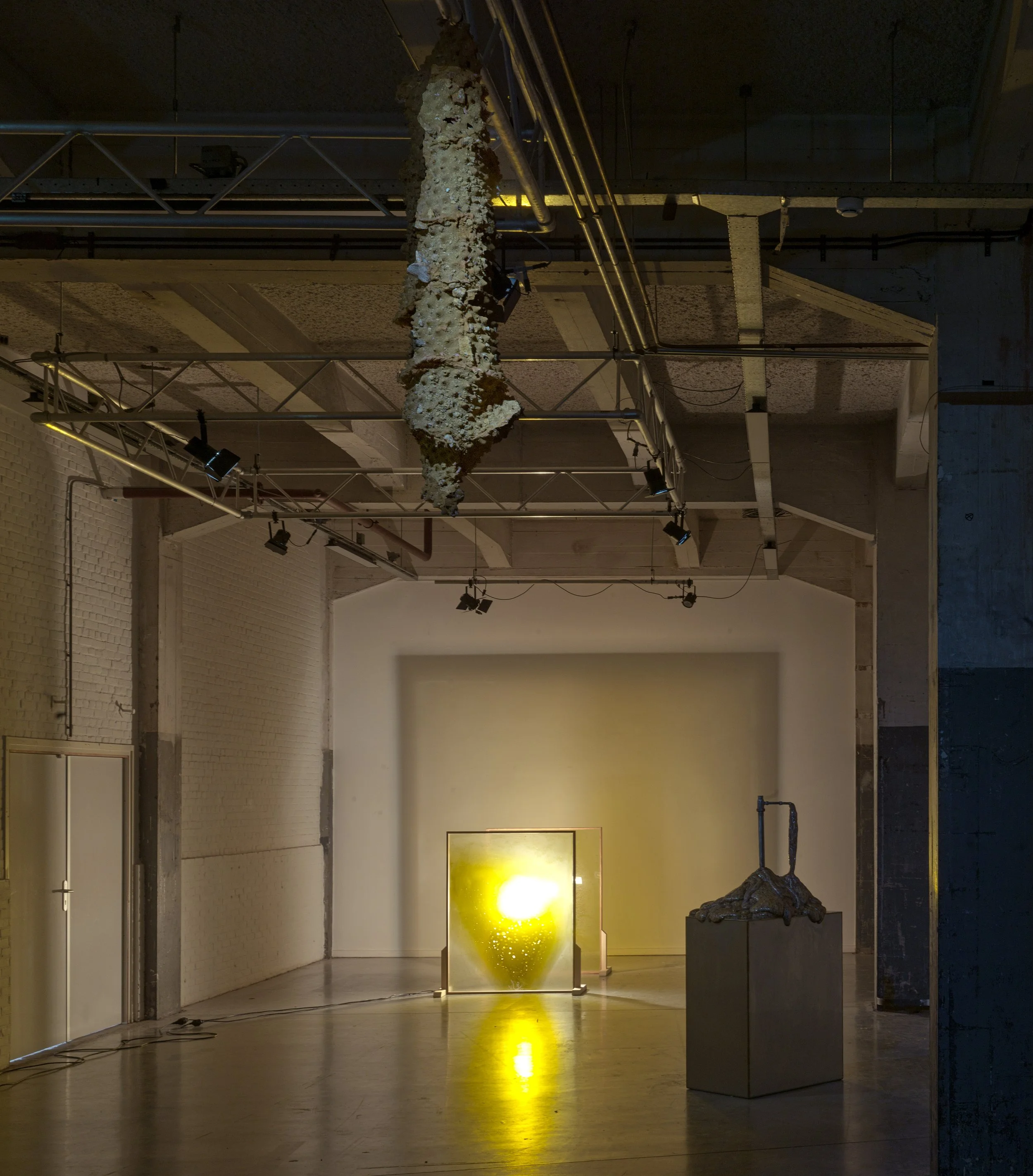
Synthesis, 2024
Chlorophyll on glass and Light
140 cm / 110 cm (each glass)
Vigil:
Death & The Afterlife
Curated by Isabella Greenwood
22.11.24 – 07.12.24
Bora Akinciturk, Maksud Ali Mondal, Honey Baker, DaddyBears, Doron Beuns, Ernest Bessems, Lily Bloom, Szilvia Bolla, Kate Burling, Šimon Chovan, Jamie John Davies, Folkert De Jong, Necker Doll, Leon Scott-Engel, Phoebe Evans, Ella Fleck, Max Otis King, K.T. Kobel, Anna-Lena Krause, Nataliya Zuban, Harry Hugo Little, Andrei Nițu, Tomasz Skibicki, Bregje Sliepenbeek & Salomé Wu.
A Foreword by Curator Isabella Greenwood
The Oxford English Dictionary defines ‘vigil’ as a period of wakefulness, typically observed between death and burial when people watch over the sick or mourn the deceased. To keep vigil is to engage in an embodied confrontation with mortality, asserting the very precarity of one’s own existence in the face of another’s passing. Derived from the Latin vigilia, meaning ‘wakefulness’ or ‘watch,’ the act of keeping vigil is paradoxically marked by depletion: in keeping watch, or staying awake, we become increasingly dissociated. Keeping vigil, and other post-mortem practices articulate cultural values: destigmatising decay while affirming identity and symbolic continuity.
If wakefulness has the potential to be inherently depleting, then, how do we actively keep vigil in our own lives, both figuratively and literally. What does it mean to closely, and attentively, observe all aspects of transmutation and where does our inherent fear of staying ‘awake’ and observing death arise from? The concept of death bears both literal and symbolic resonance, though in both forms, the meaning is the same– something is discarded, metamorphosed, creating something new. Despite historical and religious injunctions that have long framed death as an ultimate passage, whether to an afterlife or oblivion, contemplation of what happens after death is either approached with curiosity, fear or avoided altogether.
Achille Mbembe notes in Necropolitics, that death has been relegated to the margins of civic space, stripped of its ritual potency, and subordinated to a biopolitical logic that seeks to manage and obscure mortality. The Western aversion to death becomes a symptom of our attempts to regulate meaning through life’s predictable cycles in fear that death might render obsolete the assurances through which we orient our lives. By evading the spectre of death and its accompanying abstractions, we elude the very essence of the vigil itself, and thus, to keep vigil, is a radical interruption—a refusal to let the symbolic order quietly assimilate death into the banal structures of modernity. It is of course, easier to live as though dying were an abstract form, when in reality, to live with the awareness of our inevitable death, and hopeful lives thereafter, is deeply life-affirming.
It is within this avoidance that Vigil: Death and the Afterlife finds its conceptual genesis. This exhibition engages in an aesthetic dialectic with mortality, alternate realities, and speculative afterlives, challenging viewers to position themselves as active witnesses.