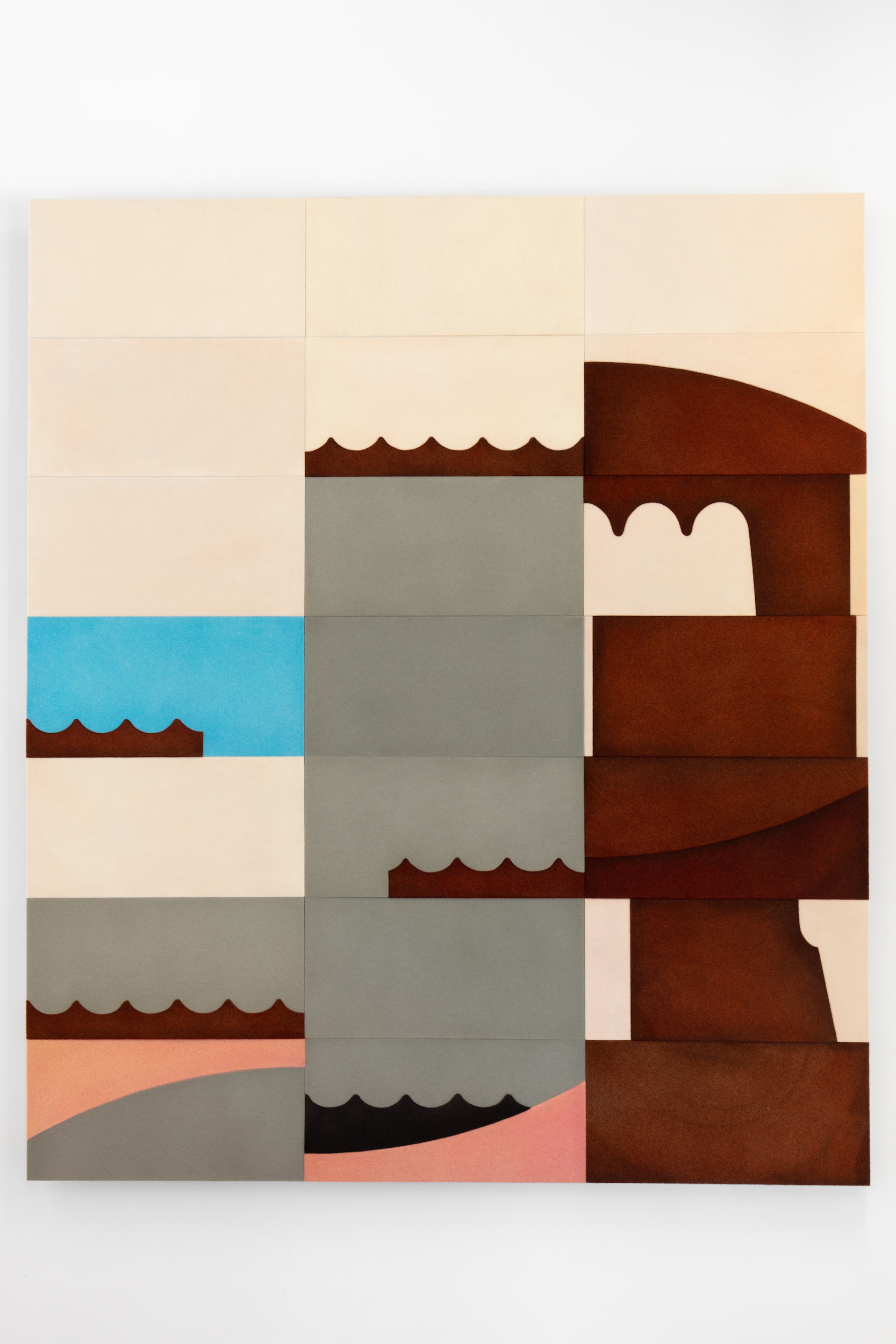
180 × 210 cm,
2026
2026
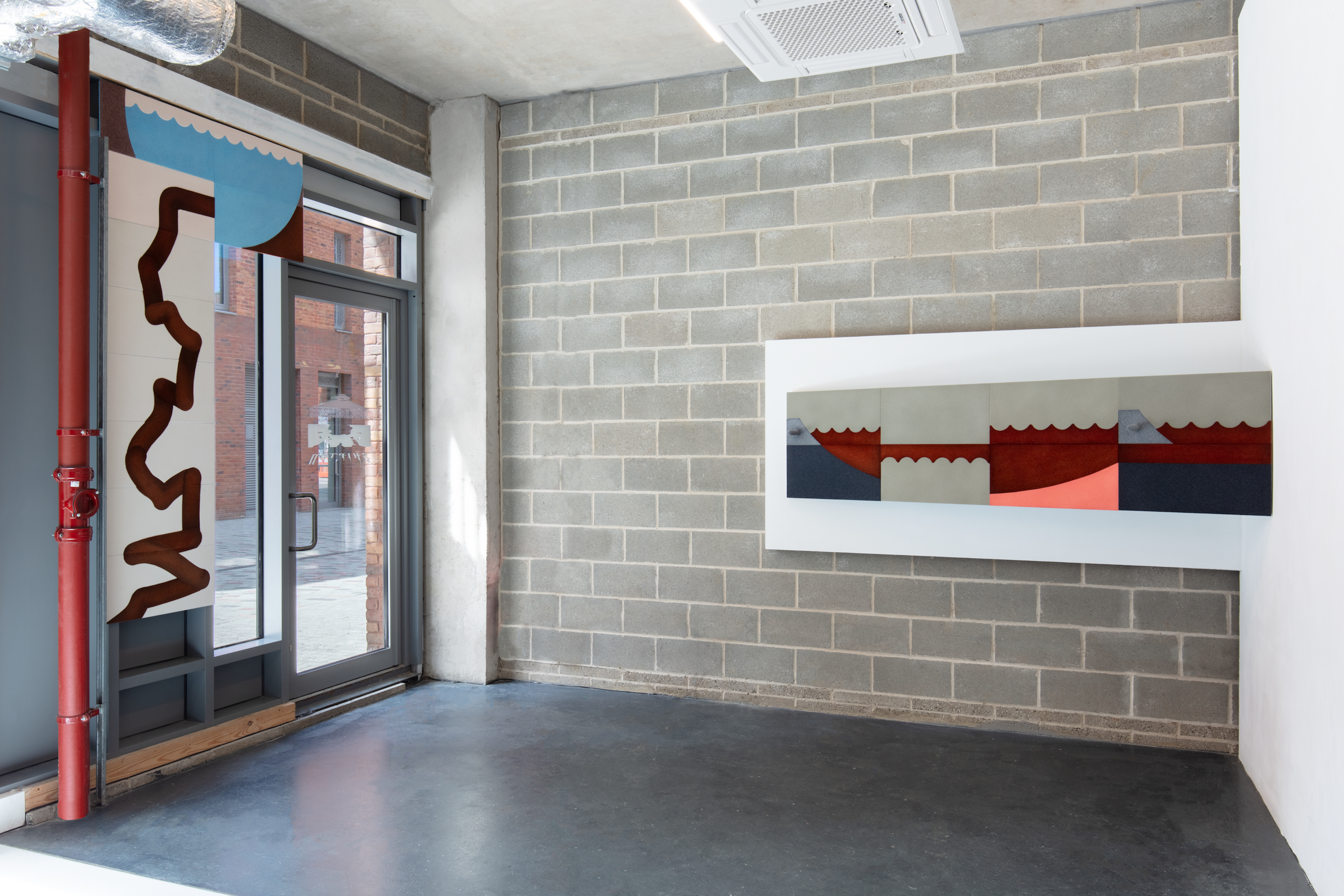
60 × 240 cm,
2026
2026
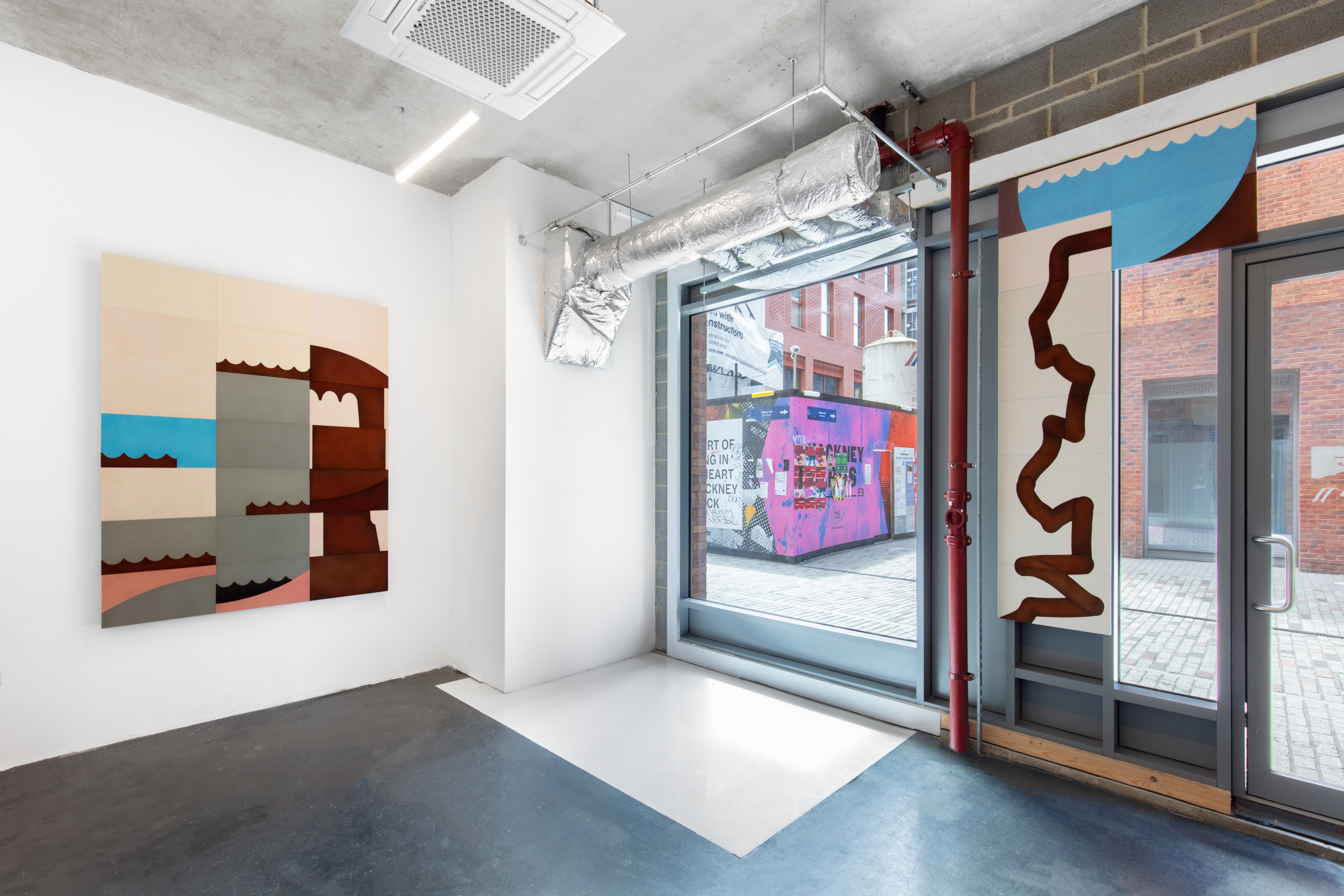
Variable dimensions,
2026
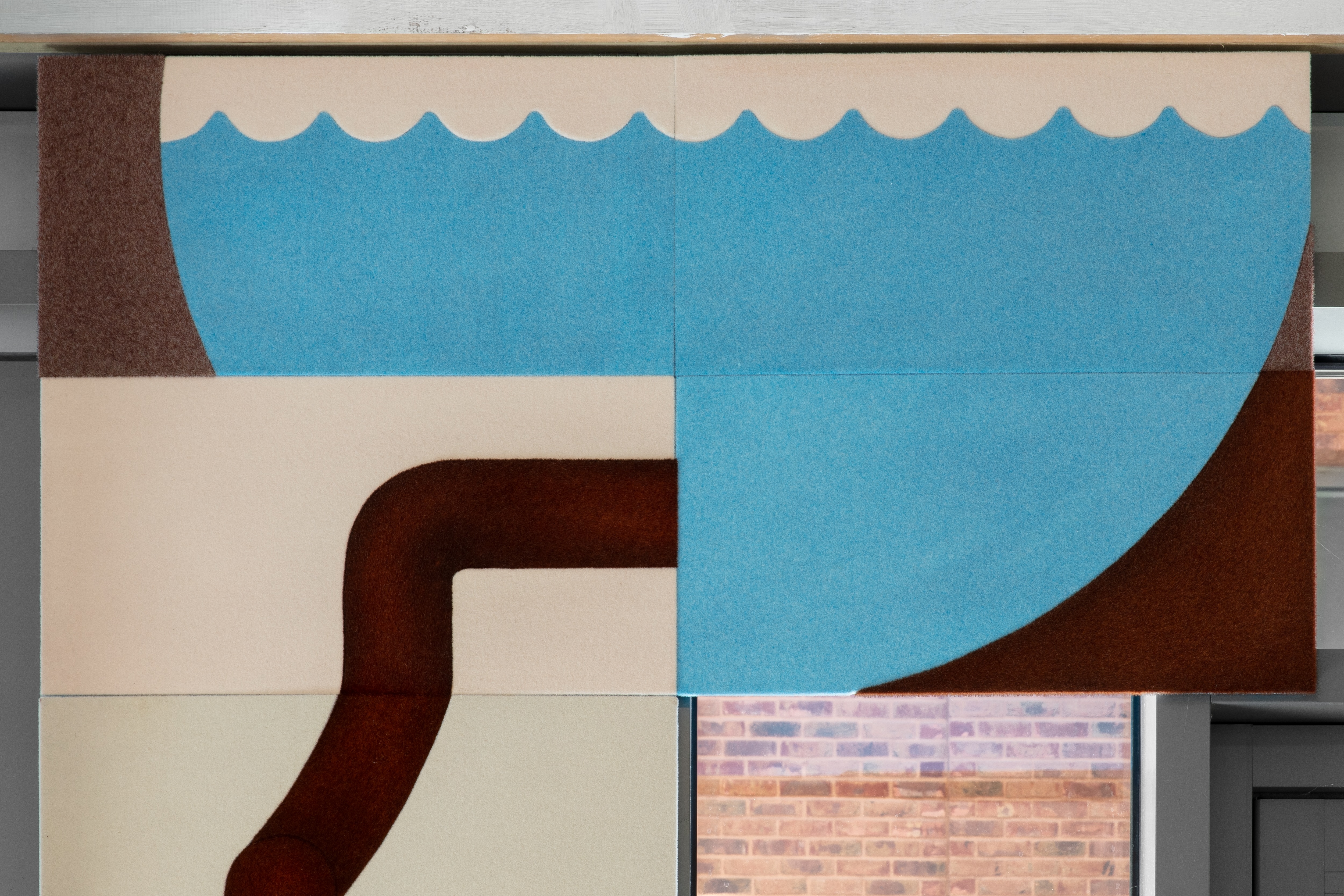
2026
People Make Plans for the Land
Nicolaas van de Lande
2026
Solo Exhibition
“Why do they call it that?” said Miss Tick. “It doesn’t look like a horse. It’s just... flowing lines...”
…that look as if they’re moving, Tiffany thought.
It had been cut out of the turf way back in the old days by the folk who’d built the stone circles and buried their kin in big earth mounds. [Tiffany] sensed the breath of the downs and the distant roar of ancient, ancient seas trapped in millions of tiny shells. She thought of Shepherdess Aching, under the turf, becoming part of the chalk again, part of the land under wave. She felt as if huge wheels, of time and stars, were turning slowly around her.
—Terry Pratchett, The Wee Free Men
There is a line that runs from Lascaux to Miffy that looks suspiciously like Pratchett’s ‘land under wave’. Thirty thousand years of human beings making marks that reduce the world to something manageable: the bison distilled to outline, the rabbit to two ears. We have always done this. We have always looked at the vast and ungovernable—land, death, other people—and turned it into something the eye, the mind, can hold.
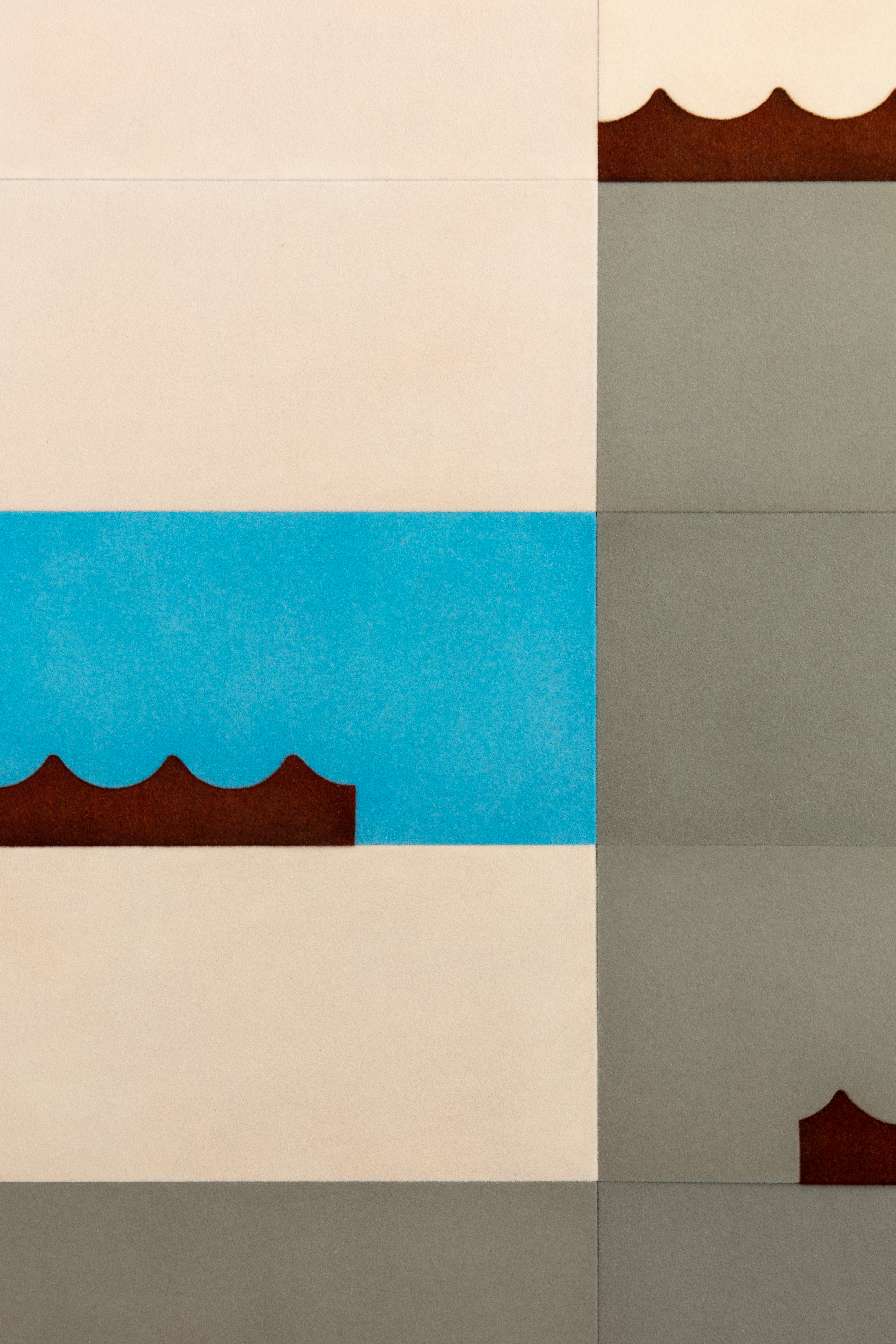
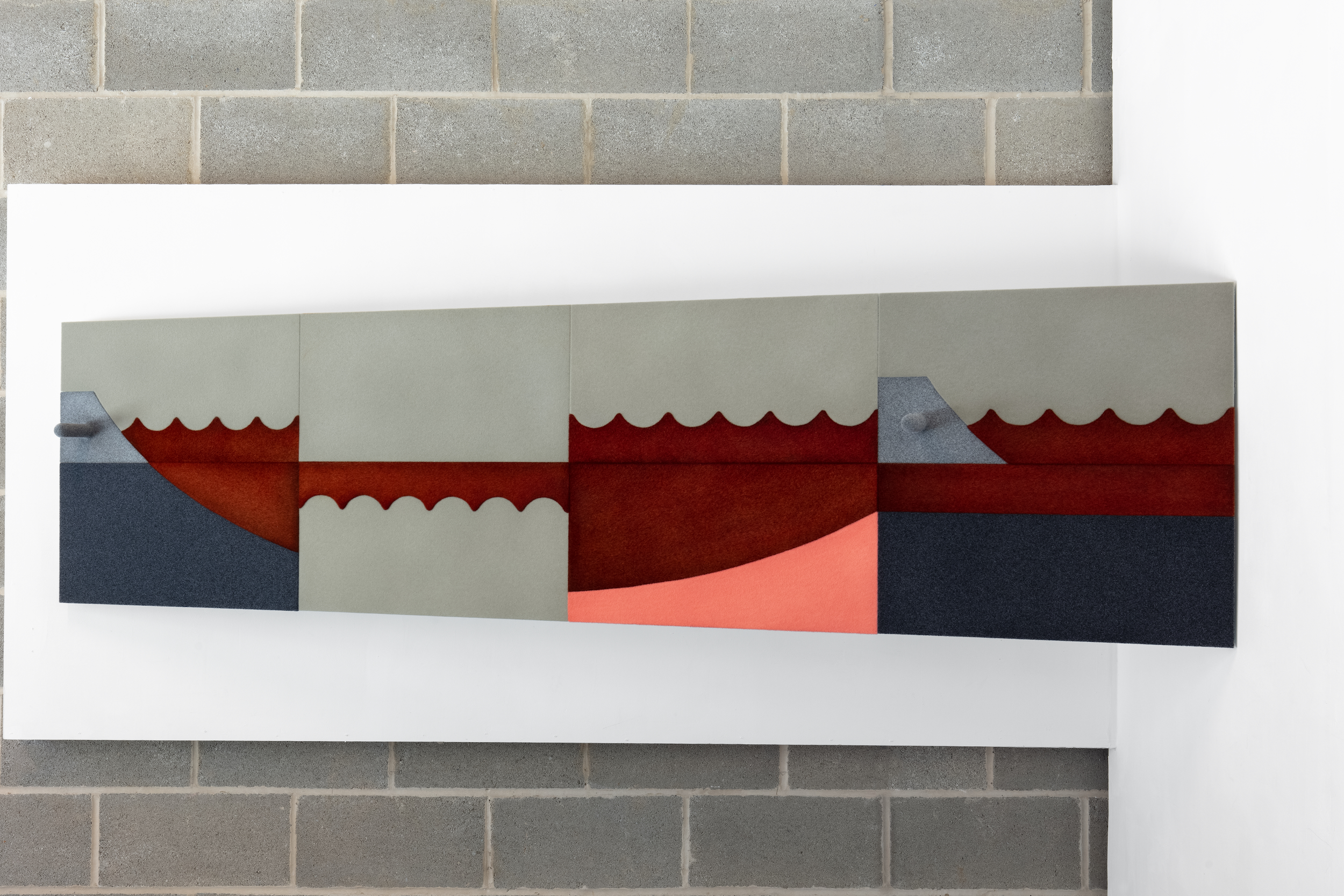
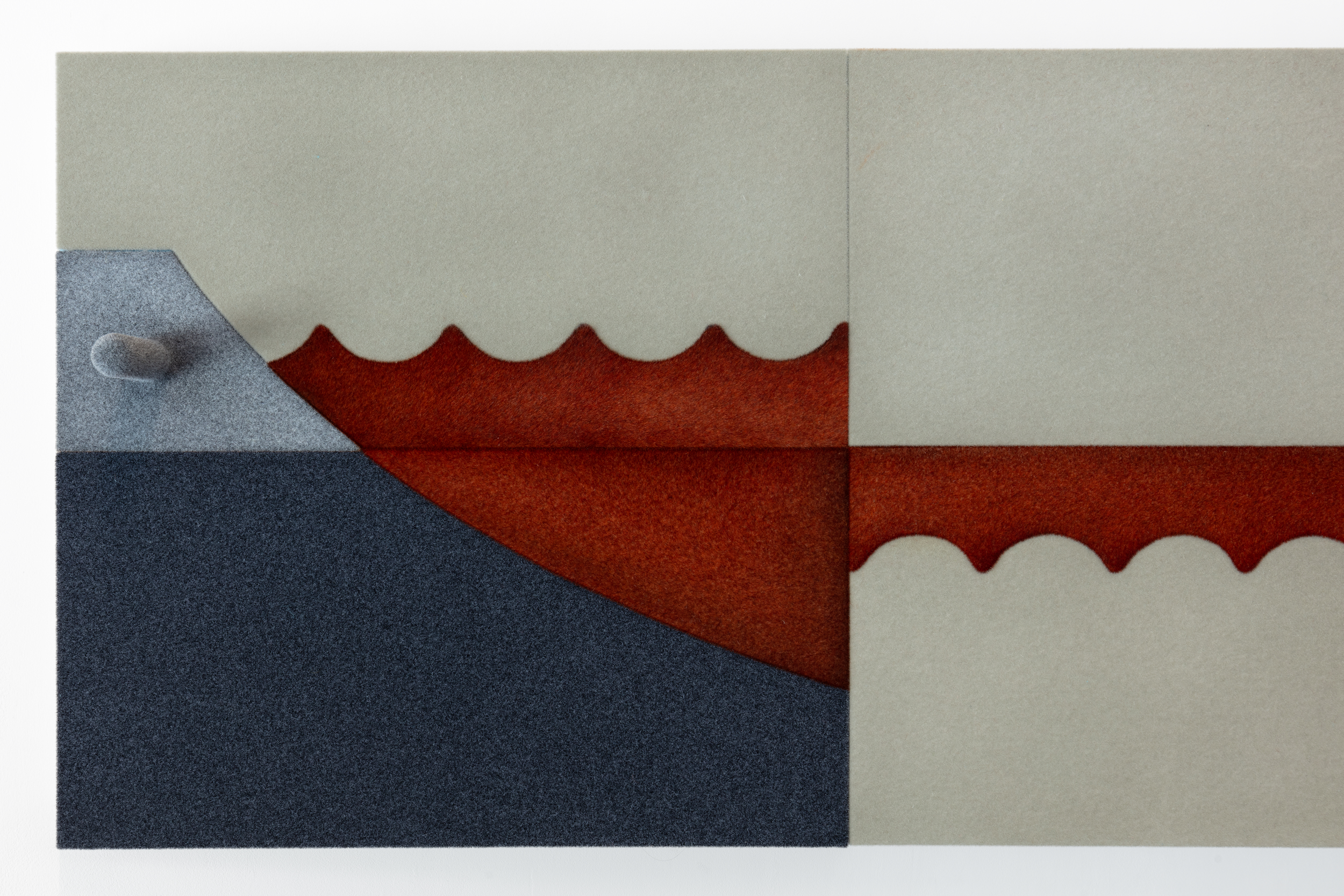
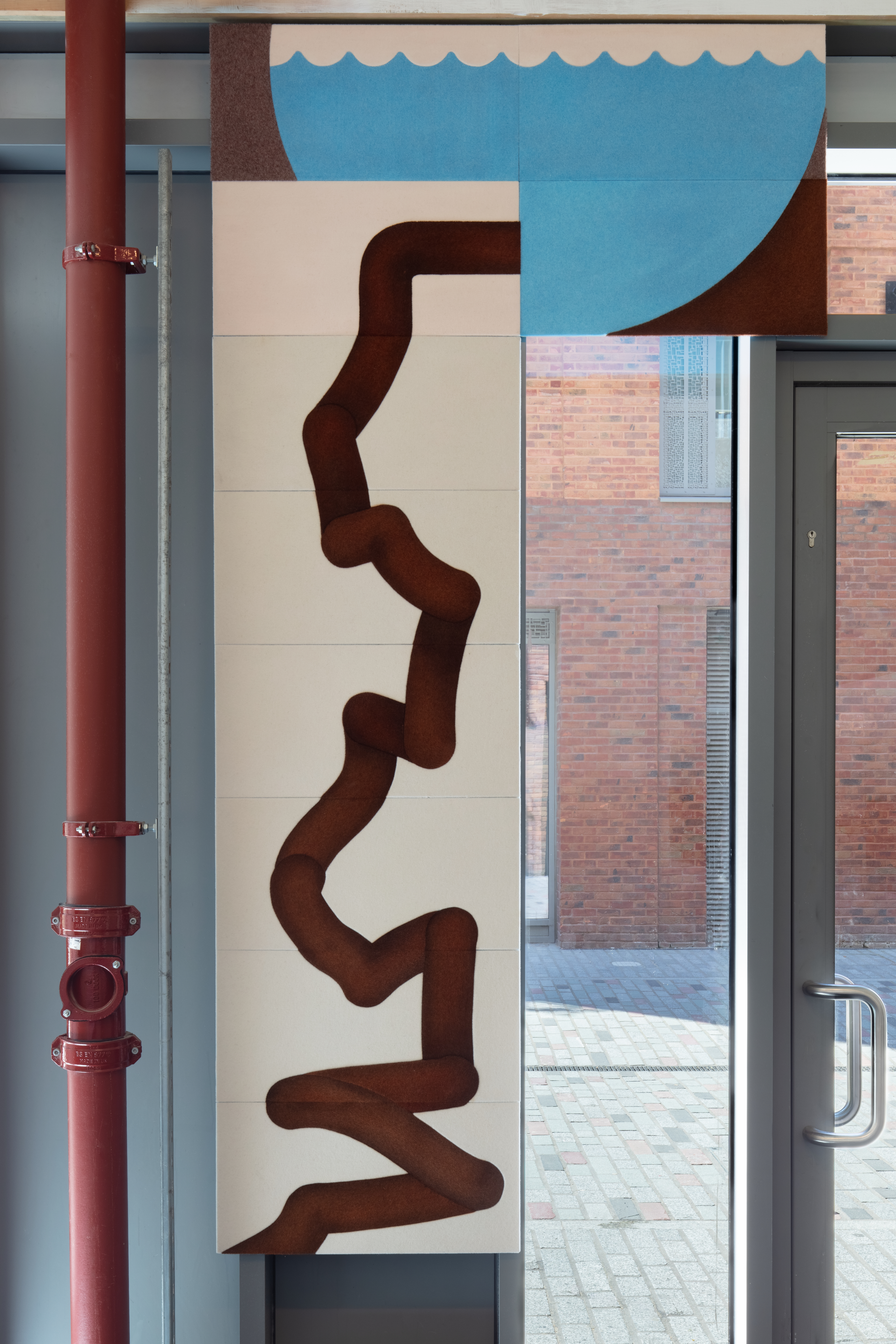
Nicolaas van de Lande (b. 1990, Breda) works somewhere along this long tradition. His objects are bounded worlds; tiles and units that assemble into larger compositions and landscapes made from highly reduced forms. The visual language of his work is just as much that of early PC video games and childhood cartoons as it is of the Göbekli Tepe bas-reliefs or the Nazca Lines. Van de Lande presents bounded worlds that are not just depictions of landscapes but the most essential, universal version of one.
Planning is an act of abstraction. To draw a boundary around a piece of ground, to name it, to assign it purpose, is to impose a picture on something that existed well without one. From the Horse of Uffington to the Romans’ Bronze Age deforestation to the spires of Saint Paul, humans treat the land as a record of the decisions made about it. The industrial revolution made the process faster and less interested in gods, but a question remains, and one that van de Lande is asking, and one that may not have an answer: whether the world yields to the picture we make of it, or whether the picture is all there ever is.
What van de Lande extracts from land is its grammar. The shapes in these works suggest water, or earth, the idea of a boundary between them reduced far enough that they become the category, the proposal. His miniature monuments ask what it means that the plough and the plan and the picture all gesture at the same thing. We turn the land to symbol; we turn to the land to symbolise; the difference, Van de Lande suggests, is that between the beast and the bone it buries—which is to say, smaller than we think.
Text by Victoria Comstock-Kershaw
Nicolaas van de Lande studied at the Gerrit Rietveld Academie, Amsterdam, and completed his MA in Critical Practice at the Royal College of Art, London. People Make Plans for the Land is presented as a concluding exhibition of his residency at Shipton Gallery, London.